African Henna Designs
Explore diverse African henna designs including West African, Sudanese, and Somali styles featuring bold geometric shapes, tribal motifs, and cultural symbolism.
About African Henna Designs
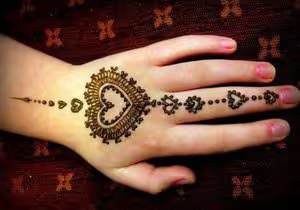
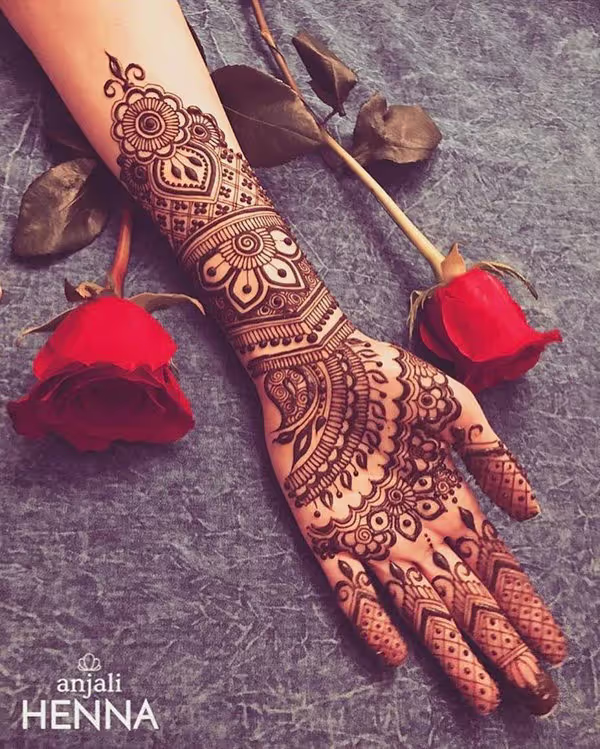
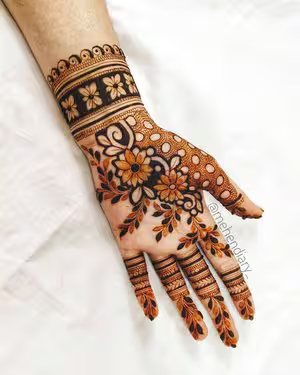
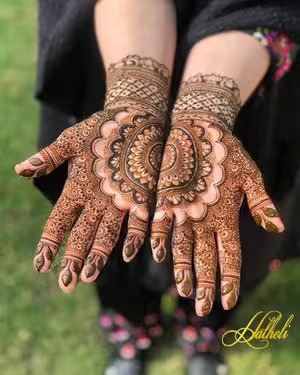
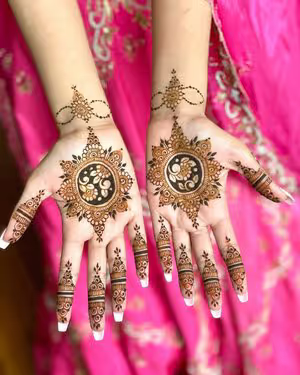
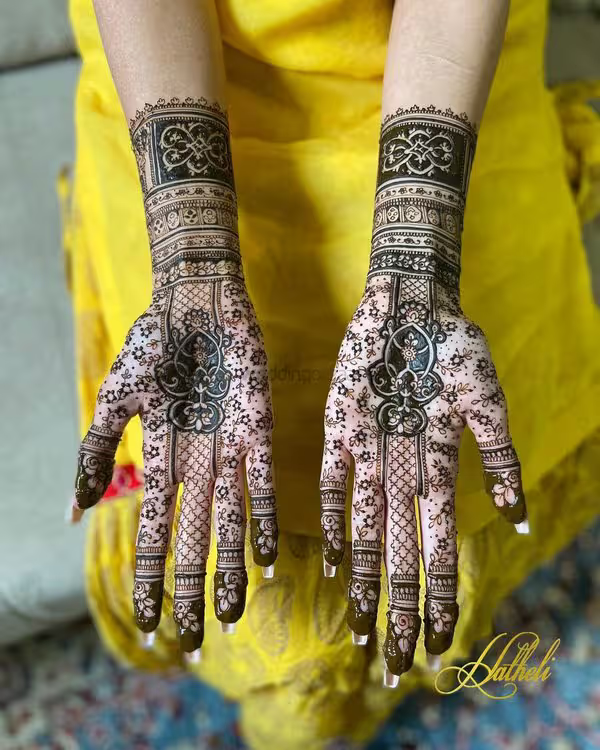
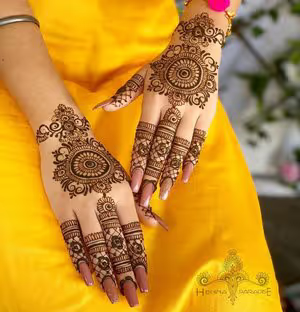
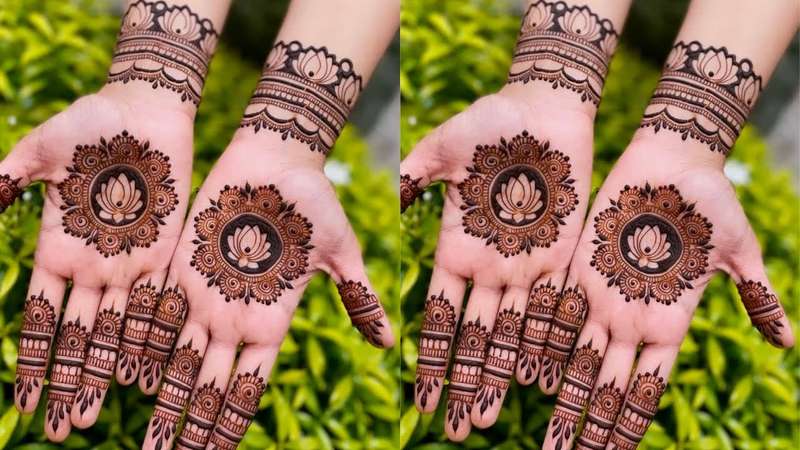
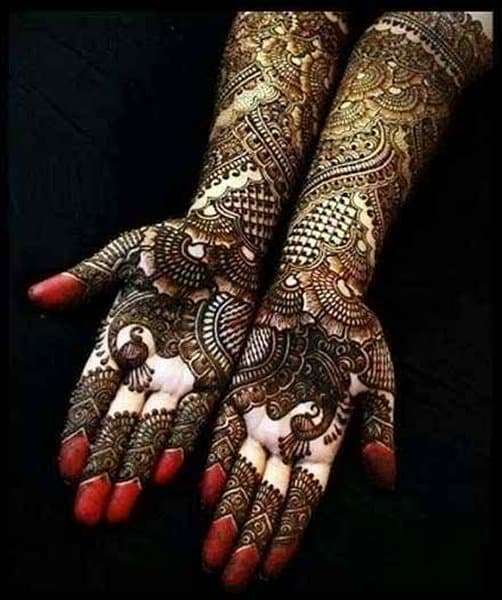
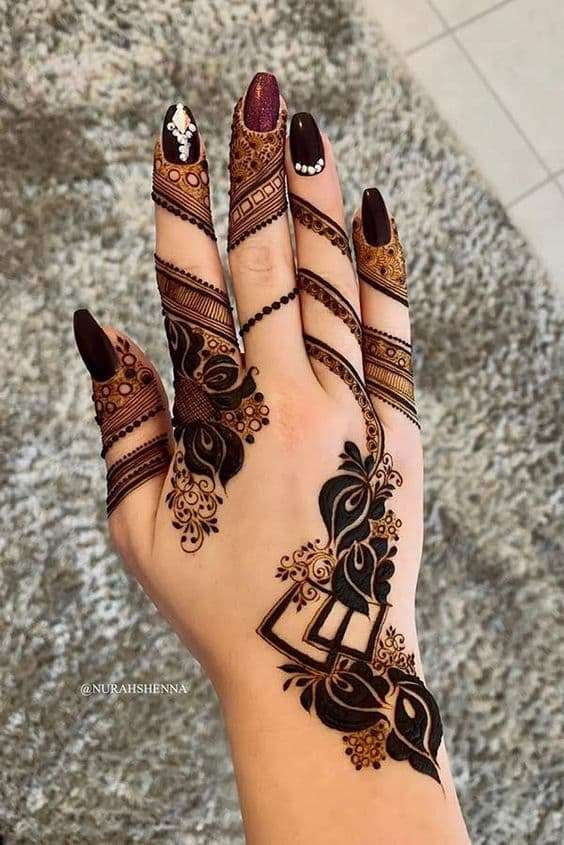
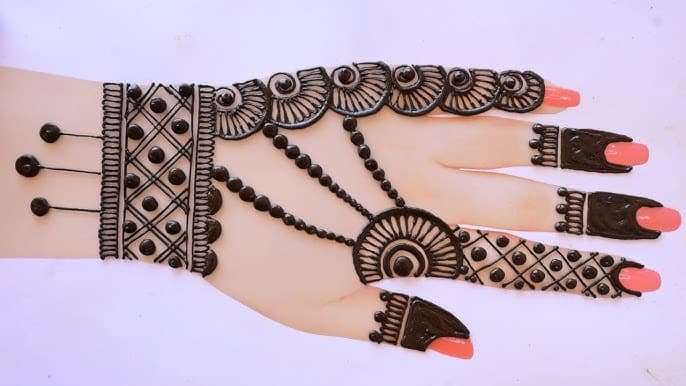
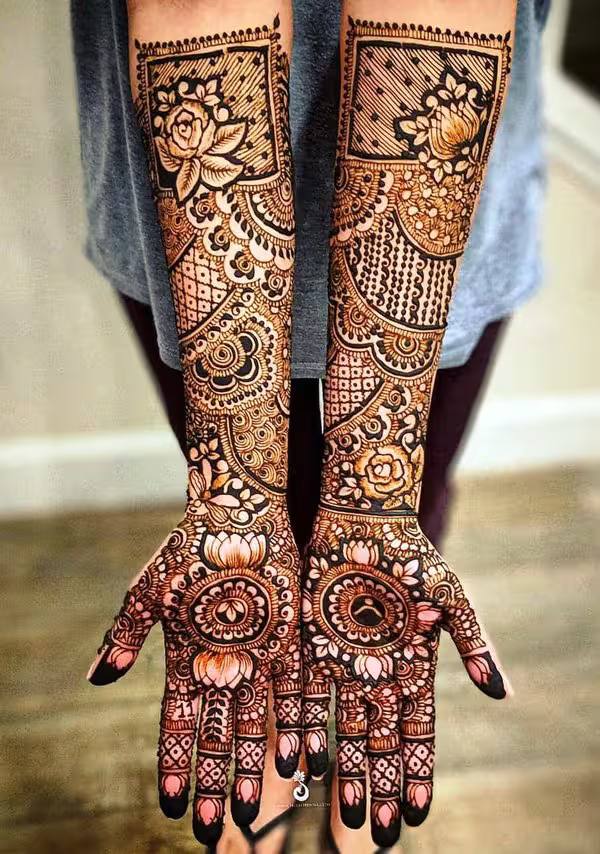
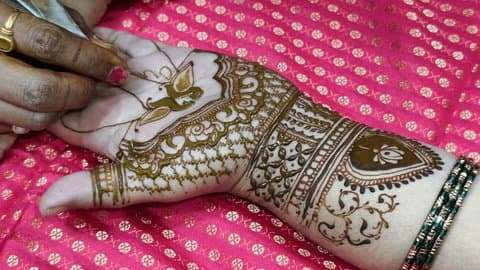
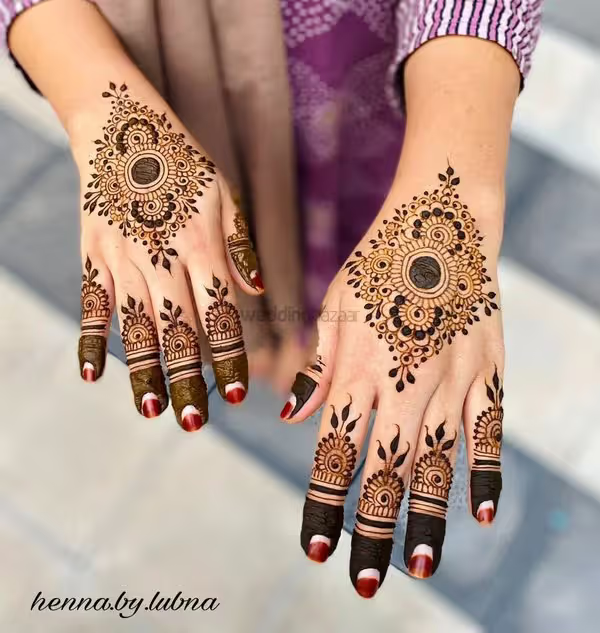
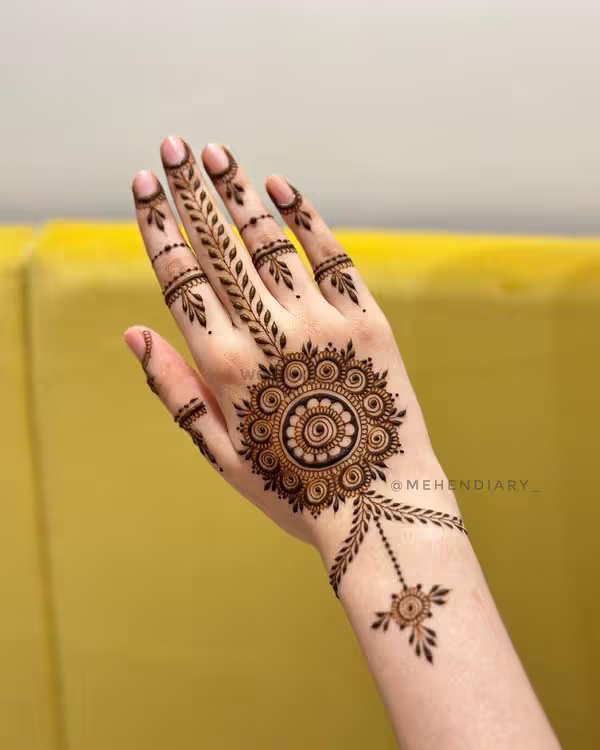
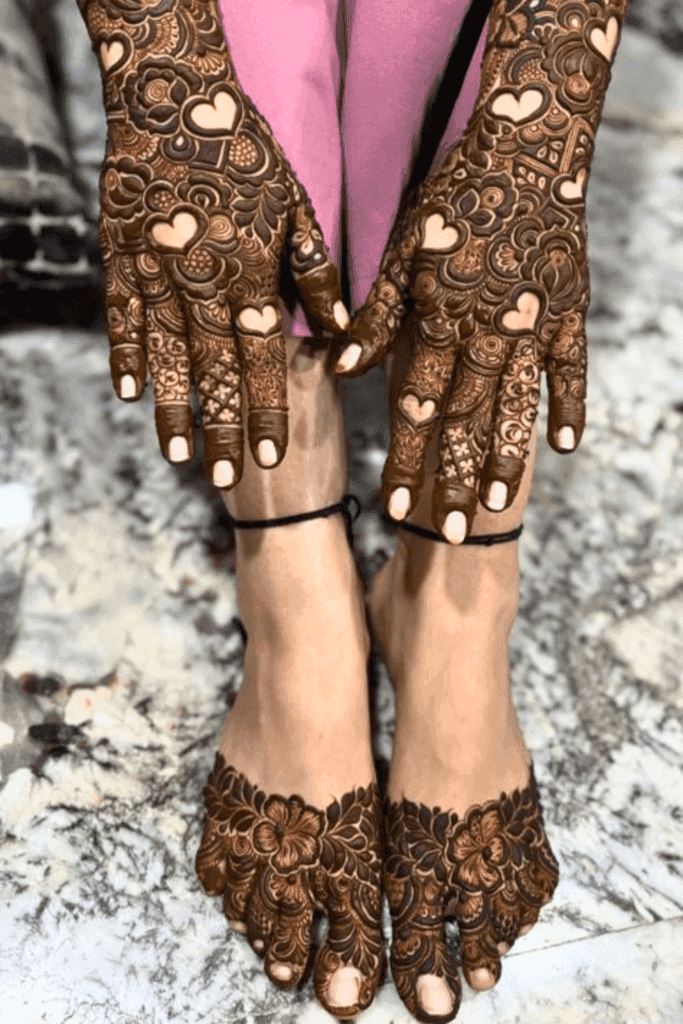
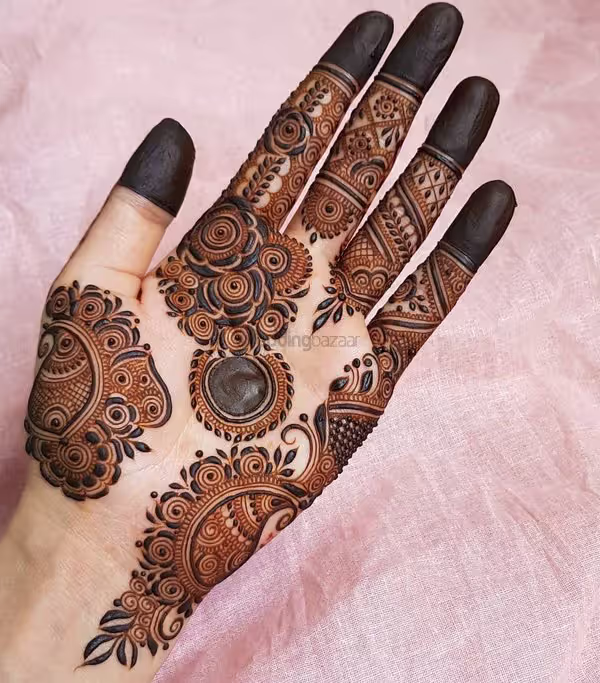
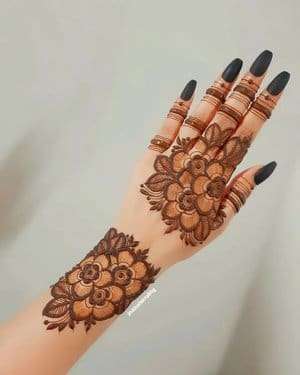
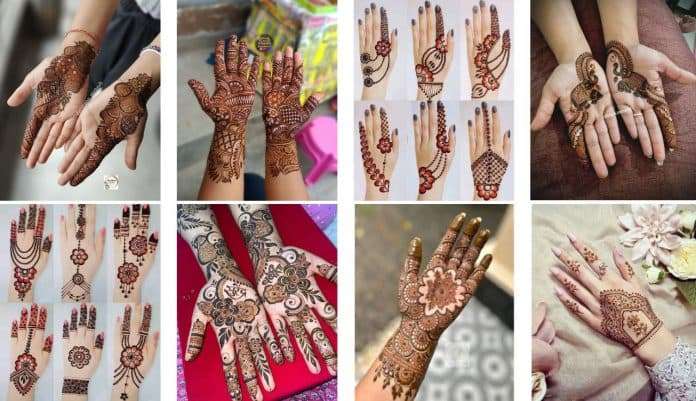
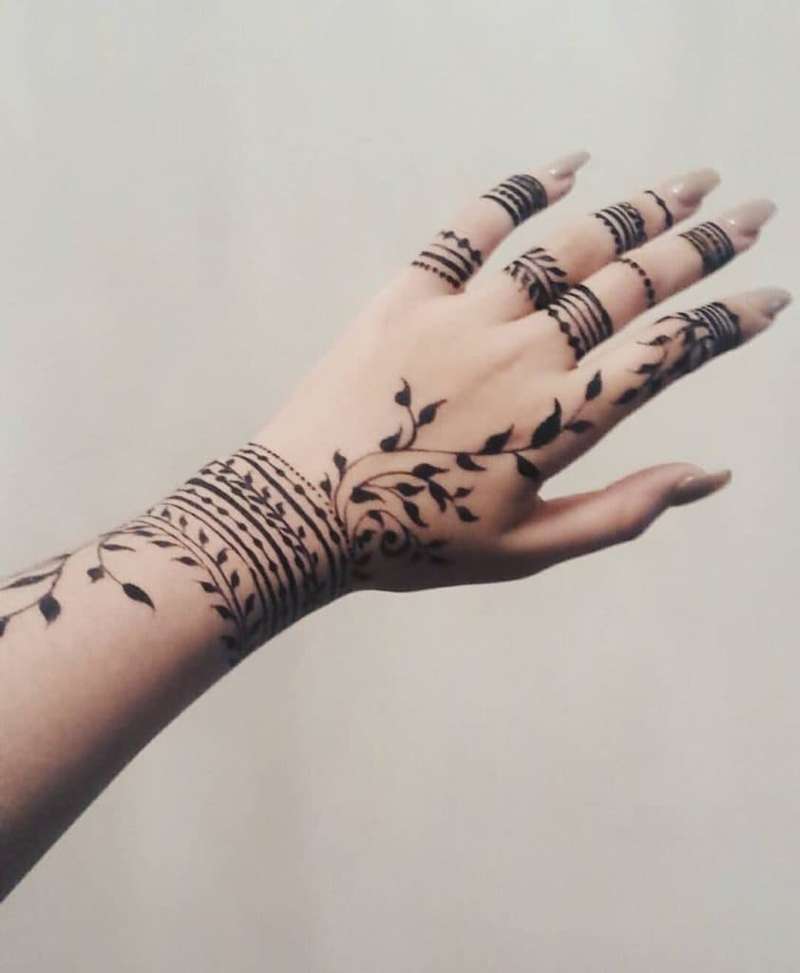
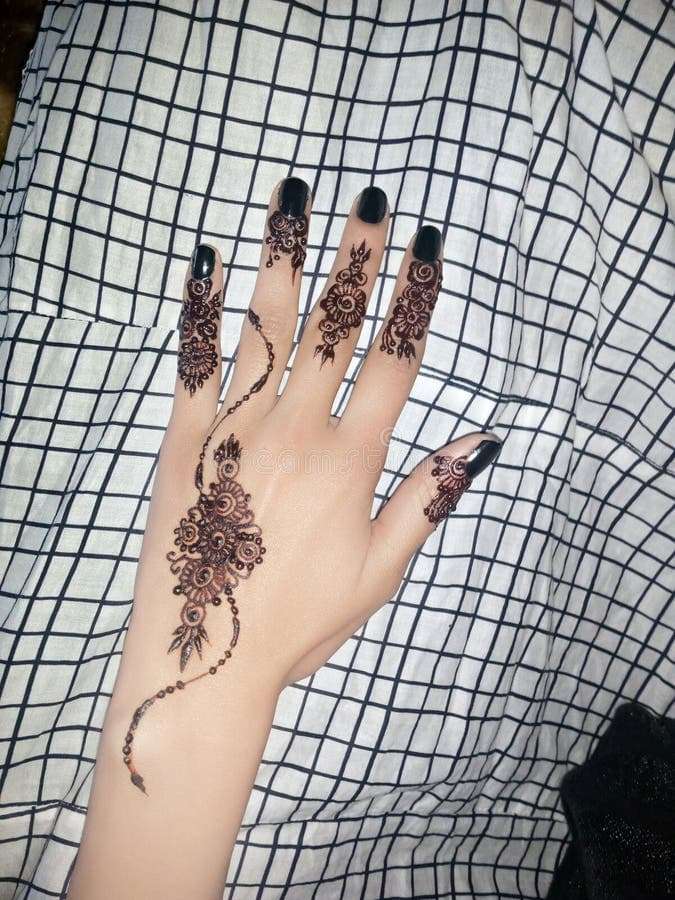
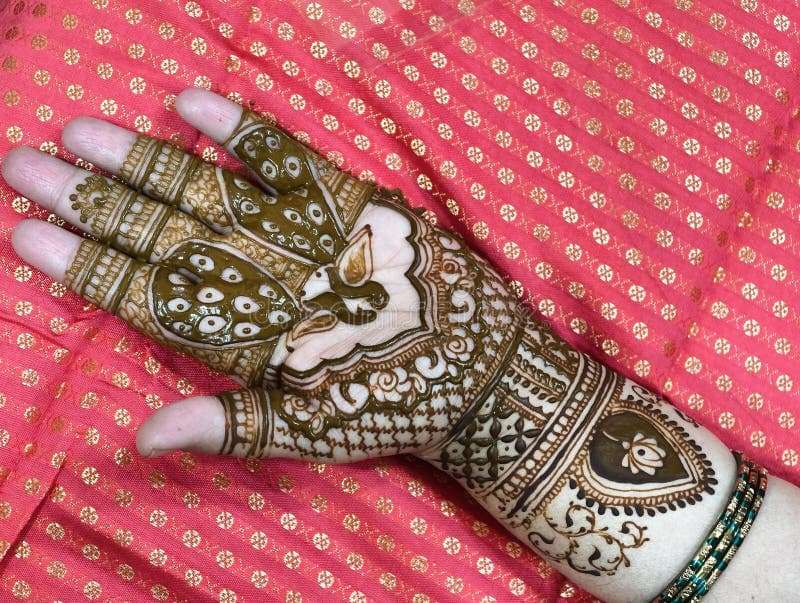
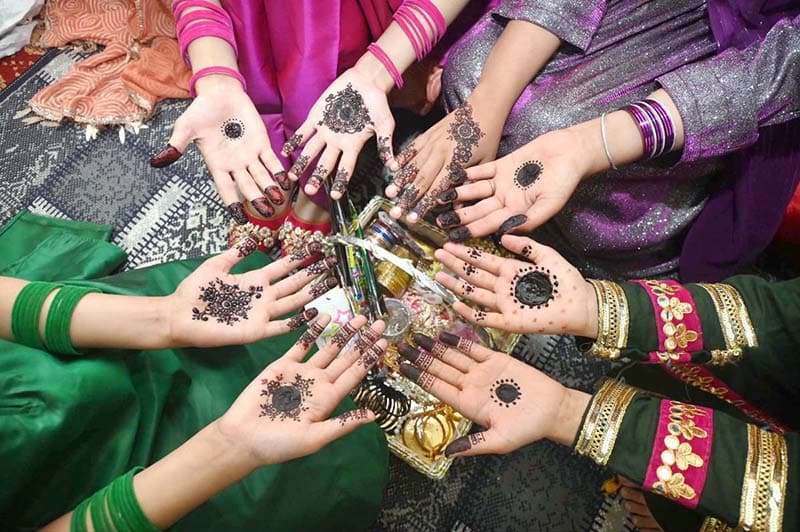
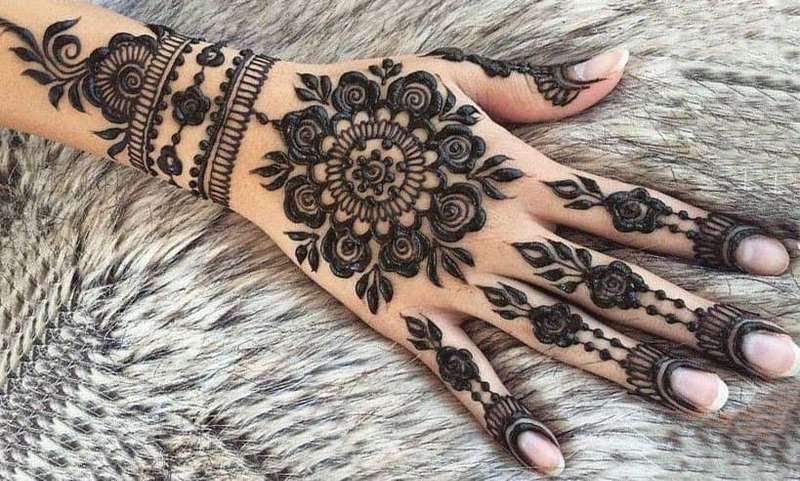
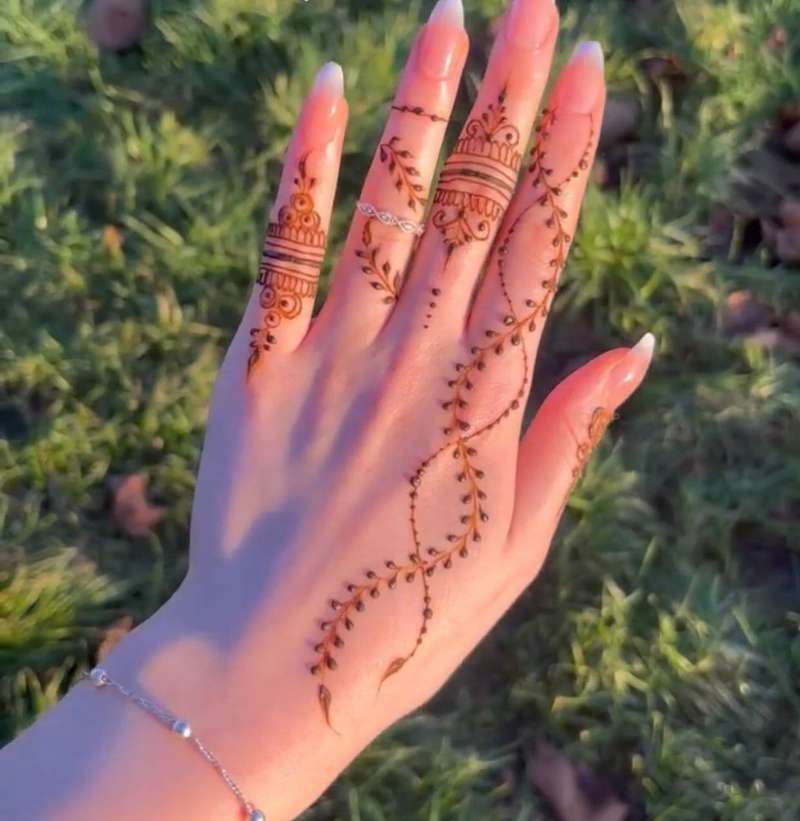
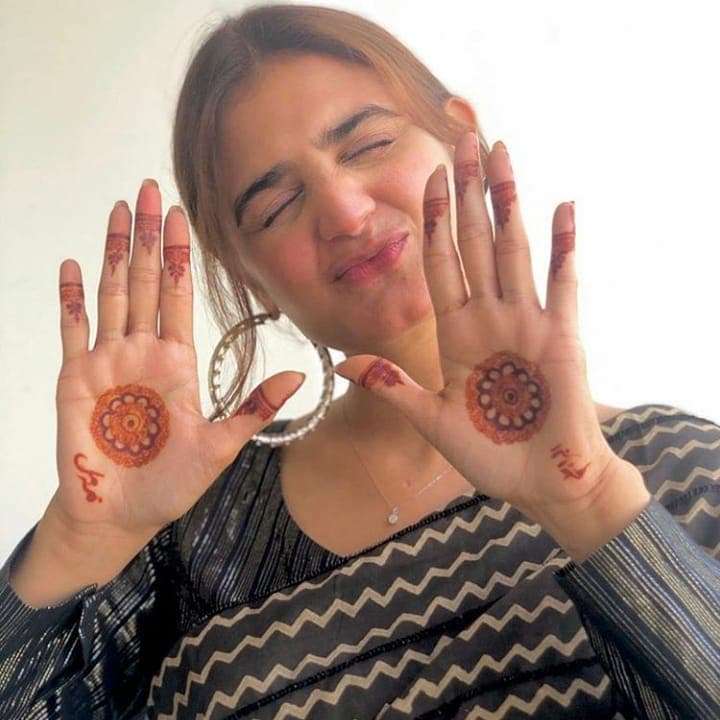
African henna traditions, particularly from West Africa and Sudan, are celebrated for their bold, thick lines and striking black henna stains. The designs frequently incorporate tribal geometric shapes and large, statement-making motifs.
Learn about the cultural history behind these designs: African Henna Cultural Traditions
African Henna Designs Gallery
Showing 1-48 of 53 designs in this collection
.jpg)
.jpg)
.jpg)
.avif)
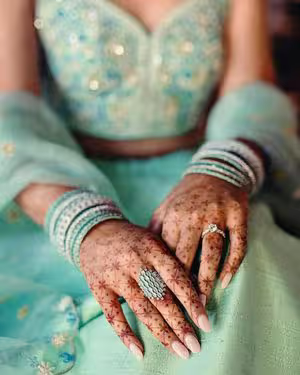
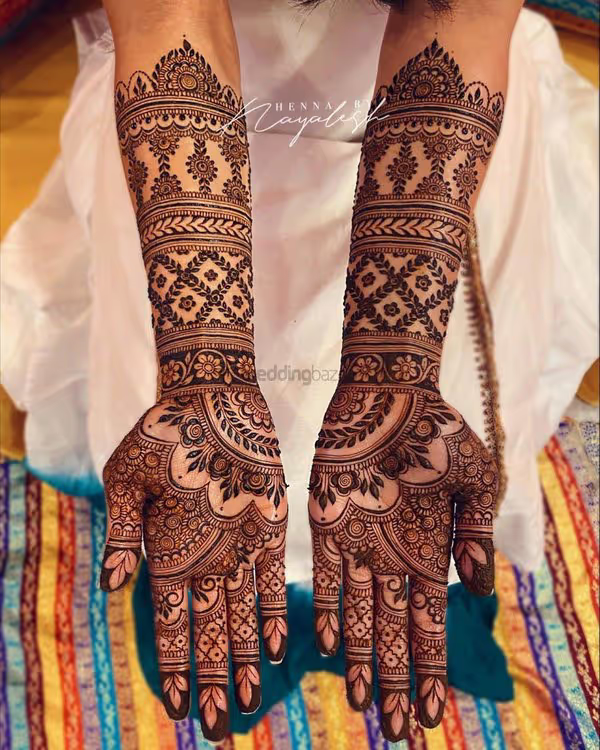
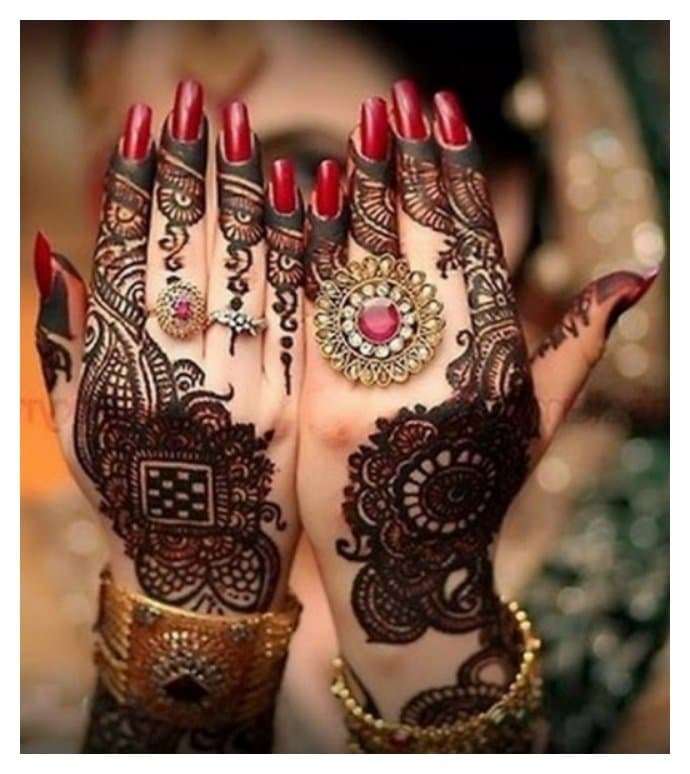
.jpg)
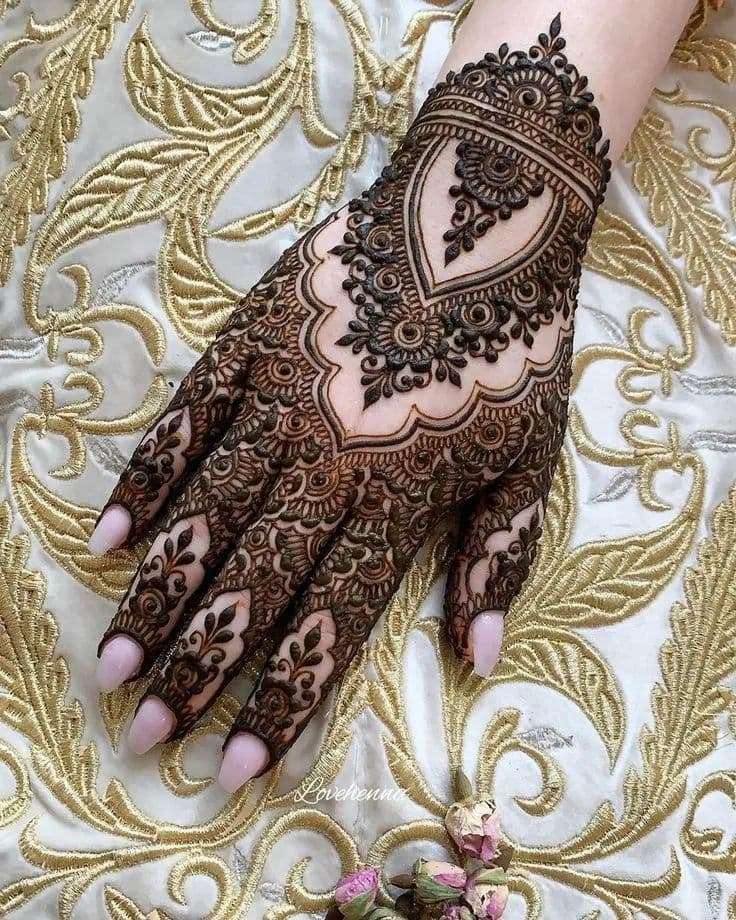
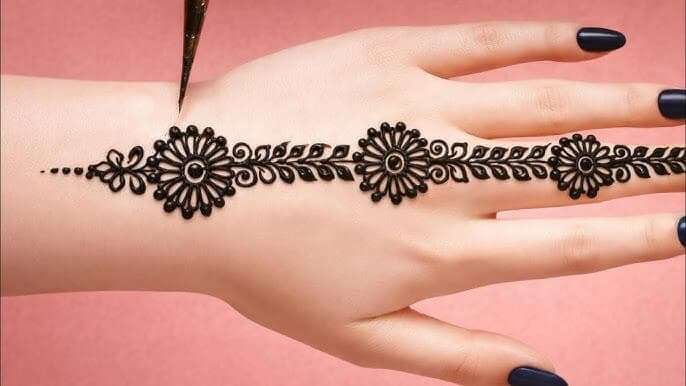
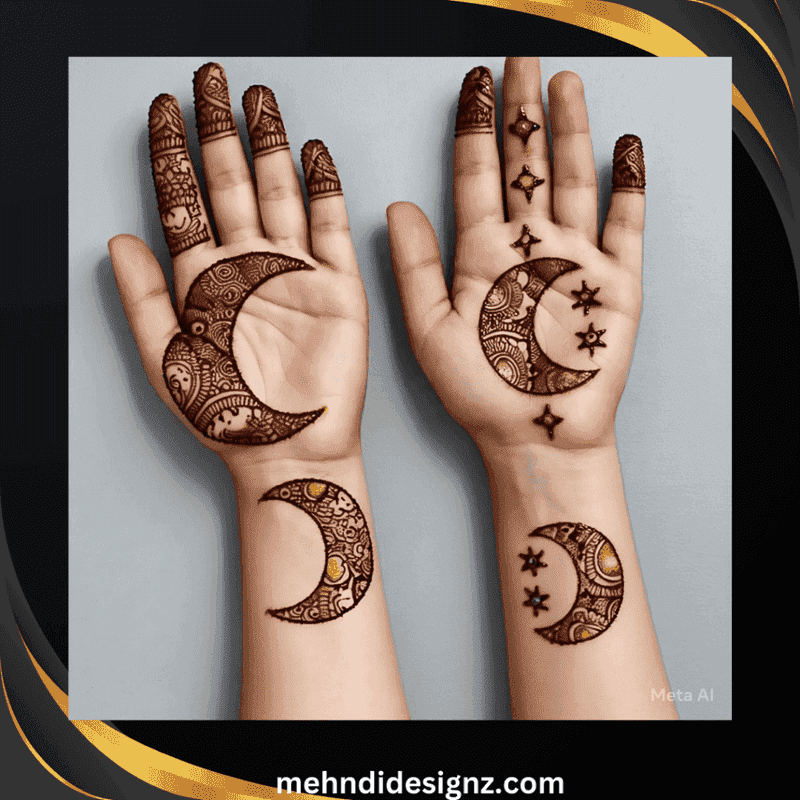
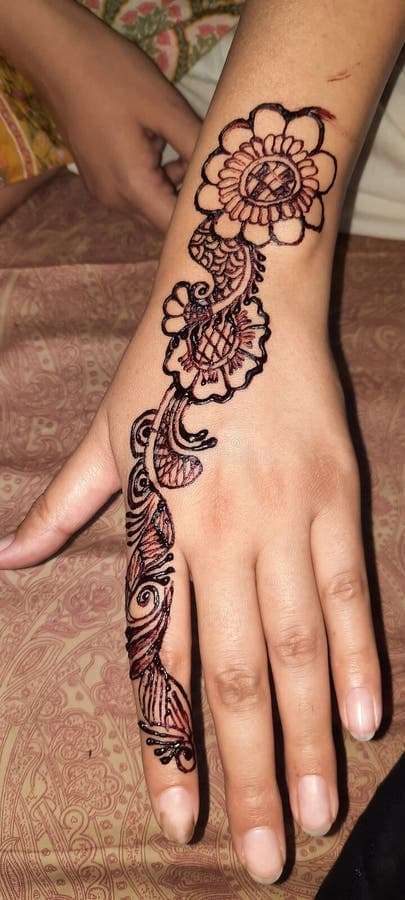
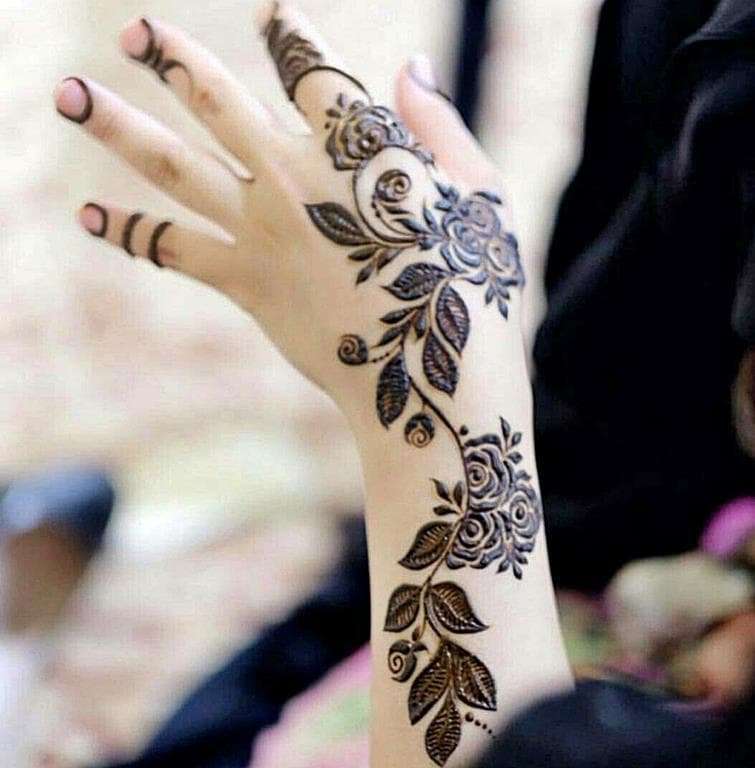
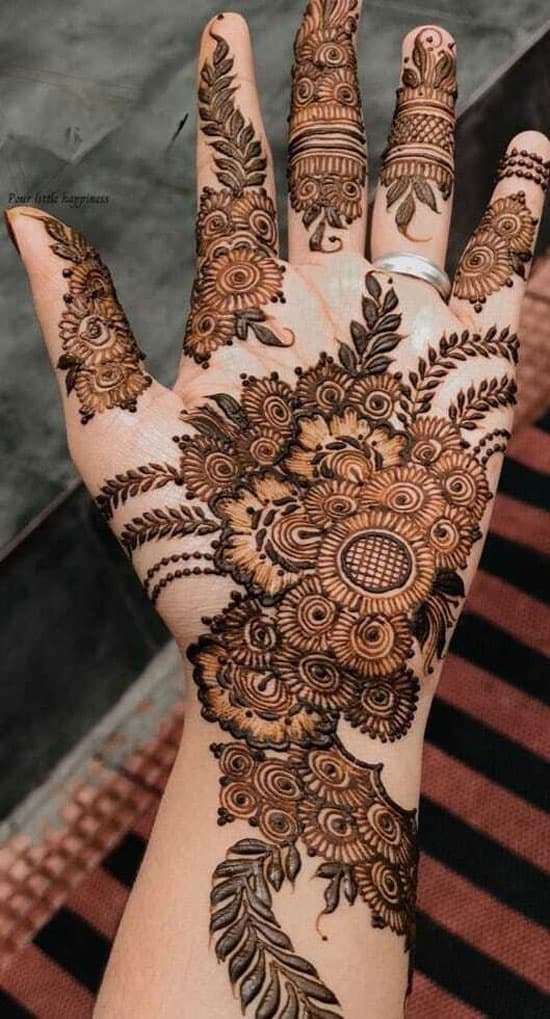
African Henna Designs: Background and Style
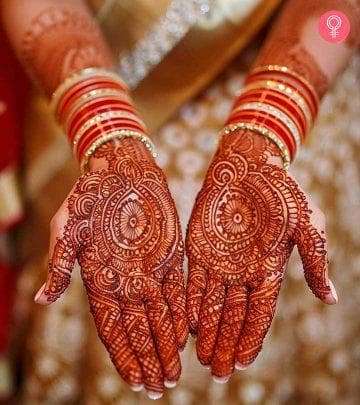
Henna has been worn across North, West and East Africa for centuries, with distinct styles in countries such as Sudan, Mali, Mauritania and Somalia. In Sudan, henna is closely tied to weddings, and brides traditionally wear bold, dark designs on both hands and feet. In Mali and Mauritania, artists often lay thin strips of tape on the skin and apply henna over them, which leaves crisp geometric lines when the tape is removed. In Hausa-speaking communities of Nigeria and Niger, henna is known as lalle and is worn for weddings and festivals.
Common motifs
- bold geometric bands
- triangles and chevrons
- straight-line grids
- solid-filled fingertips
- dots and dashes
- broad leaf shapes
Application tips
- Bold African-style designs need a thicker line, so cut the cone tip slightly wider than you would for fine work.
- For solid filled areas, apply an even layer of paste; thin patches stain lighter than the rest.
- Use strips of tape or a stencil to keep long straight edges clean.