Arabic Mehndi Designs
Browse easy arabic mehndi designs and simple arabic mehndi patterns. Bold florals, flowing vines, and elegant arabic mehndi designs for Eid, weddings, and parties.
Advertisement
About Arabic Mehndi Designs
Arabic mehndi is defined by its free-flowing vines, large floral motifs, and generous use of negative space. Unlike dense Indian styles, Arabic patterns are typically applied diagonally across the hand, creating an elegant, asymmetrical look that is both striking and quick to apply.
Related Guides & Tools
Advertisement
Arabic Mehndi Designs Image Gallery
Arabic Mehndi Designs Inspiration
.avif)
Arabic Mehndi Designs Inspiration

Arabic Mehndi Designs Inspiration
.avif)
Arabic Mehndi Designs Inspiration
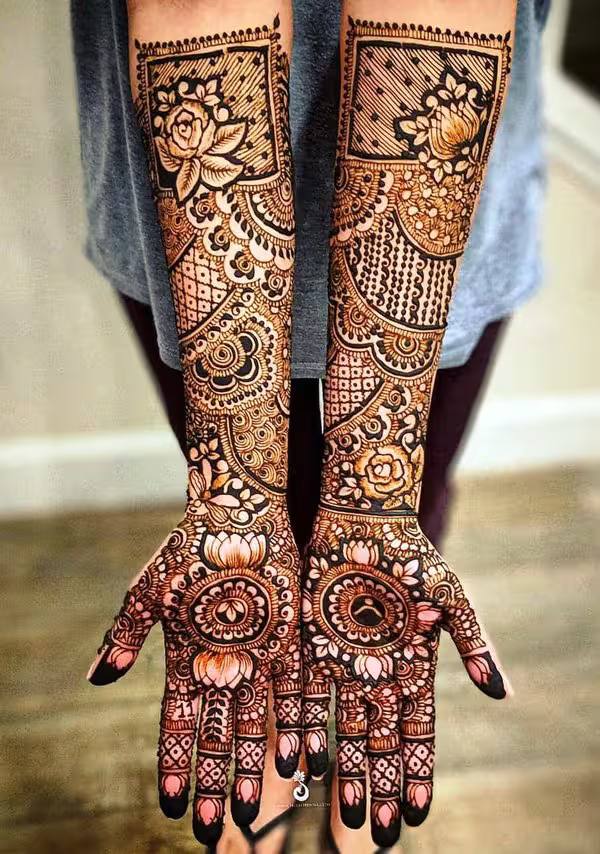
Arabic Mehndi Designs Inspiration
.jpg)
Arabic Mehndi Designs Inspiration
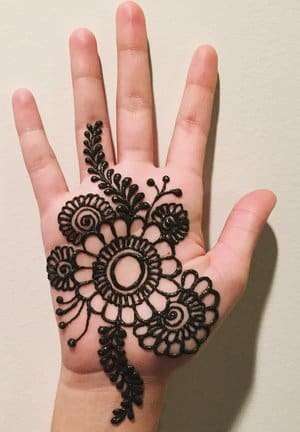
Arabic Mehndi Designs Inspiration
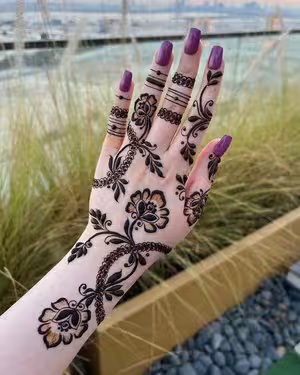
Arabic Mehndi Designs Inspiration
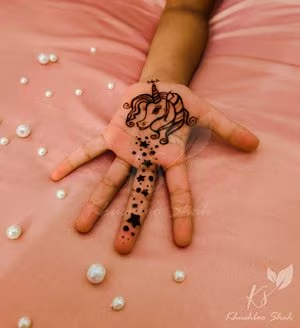
Arabic Mehndi Designs Inspiration
.avif)
Arabic Mehndi Designs Inspiration
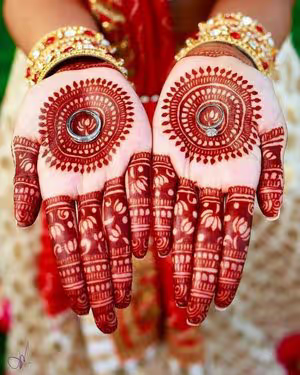
Arabic Mehndi Designs Inspiration
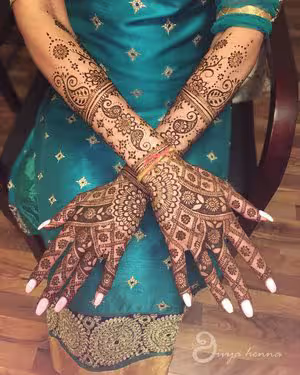
Arabic Mehndi Designs Inspiration
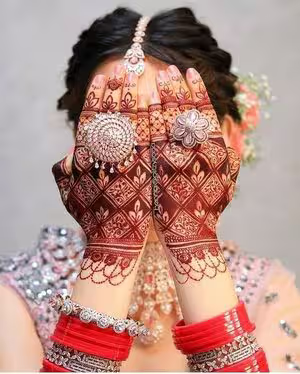
Arabic Mehndi Designs Inspiration
All Arabic Mehndi Designs
Showing 1-48 of 77 designs in this collection
Graceful Arabic Paisley Mehndi Design for Arm
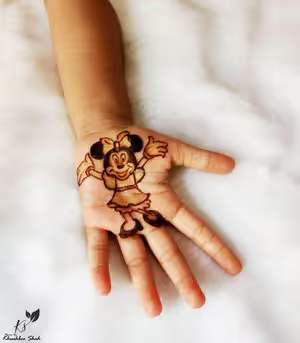
Dainty Arabic Checkered Fill Mehndi Design for Arm
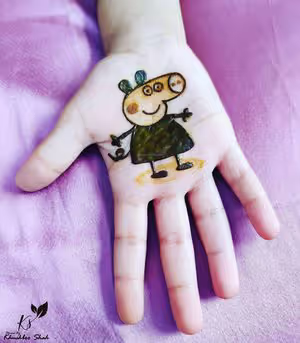
Delicate Arabic Bell Garland Mehndi Design for Foot
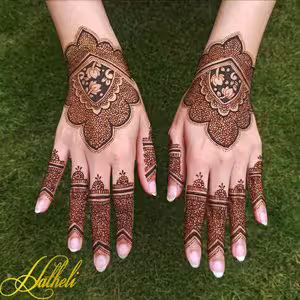
Radiant Arabic Butterfly Wing Mehndi Design for Foot
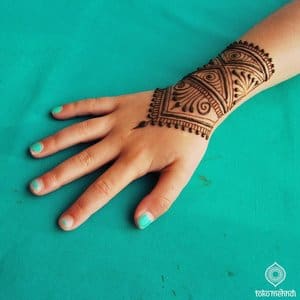
Traditional Arabic Sunburst Mehndi Design for Foot
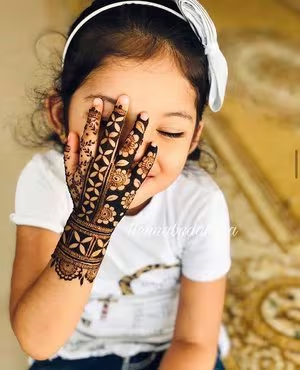
Intricate Arabic Star Cluster Mehndi Design for Finger
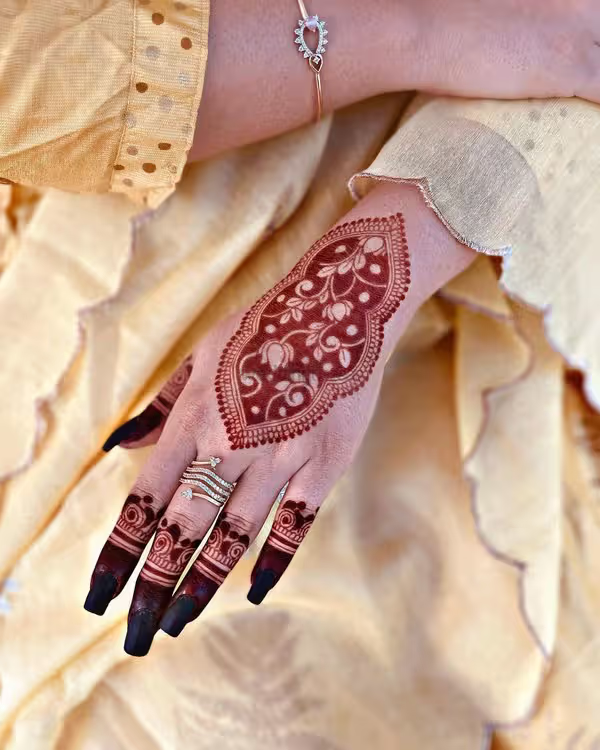
Radiant Arabic Feather Stroke Mehndi Design for Foot
.jpg)
Stunning Arabic Feather Stroke Mehndi Design for Foot
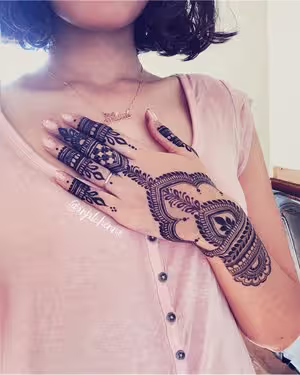
Elaborate Arabic Mesh Jaal Mehndi Design for Arm
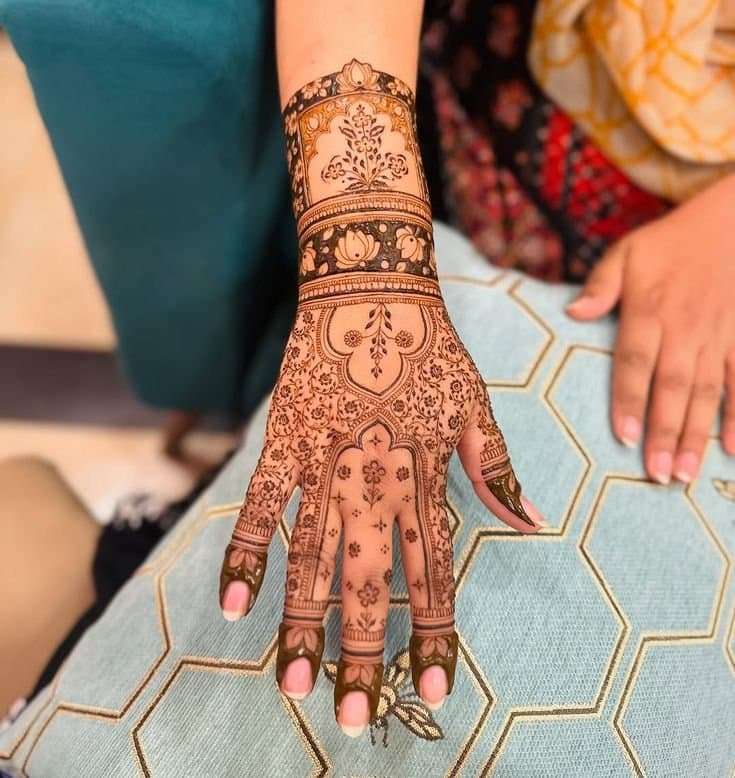
Dainty Arabic Teardrop Cascade Mehndi Design for Arm
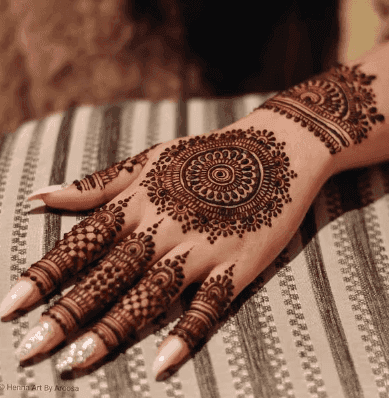
Dainty Arabic Butterfly Wing Mehndi Design for Back Hand
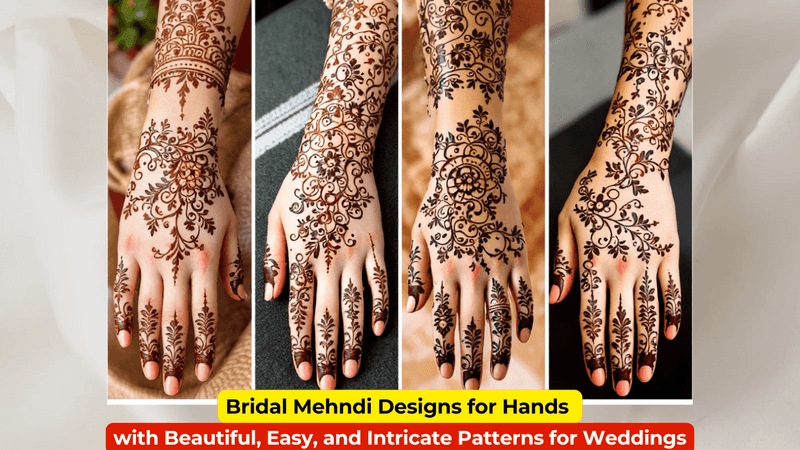
Charming Arabic Dotwork Mehndi Design for Finger
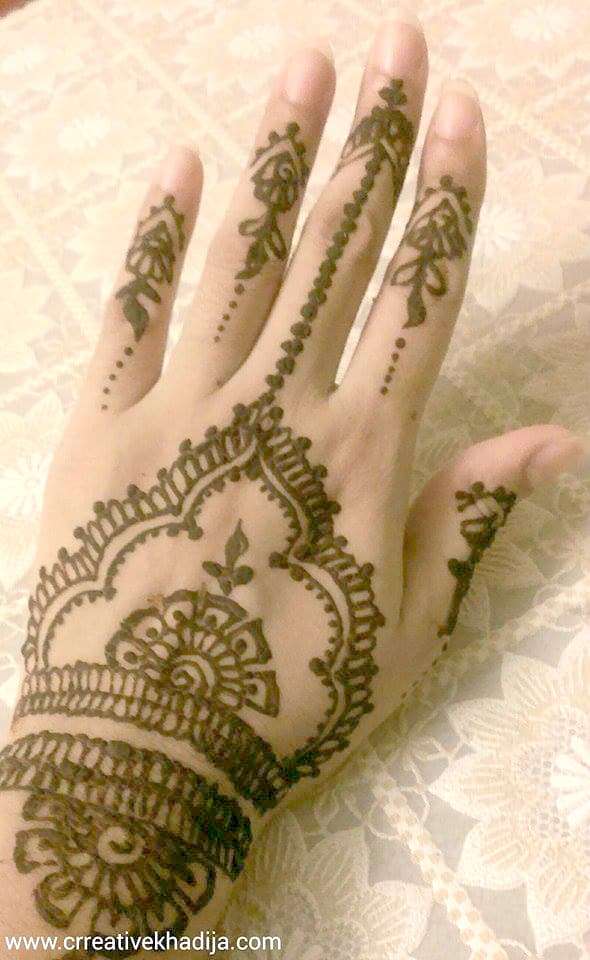
Traditional Arabic Bracelet Cuff Mehndi Design for Full Hand
Detailed Indian Petal Arrangement Mehndi Design for Back Hand
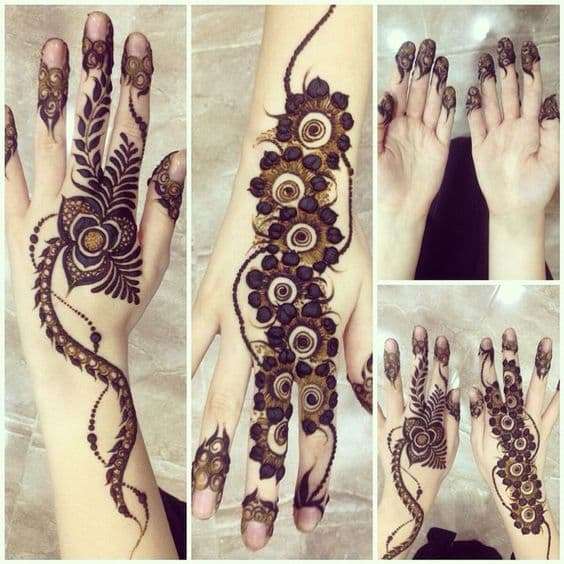
Artistic Indian Ribbon Weave Mehndi Design for Foot
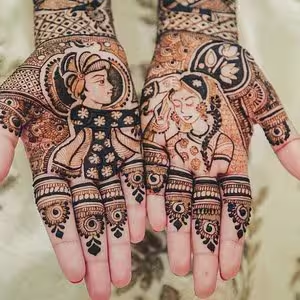
Ornate Pakistani Ring Pattern Mehndi Design for Finger
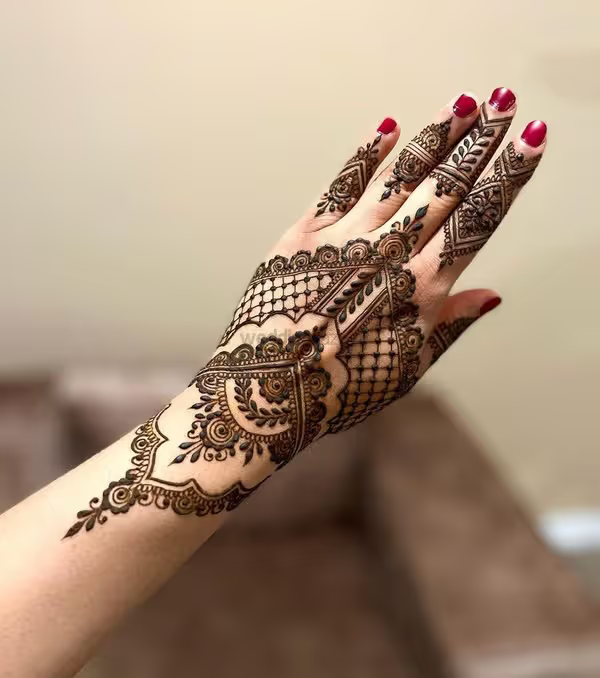
Elaborate Moroccan Checkered Fill Mehndi Design for Front Hand
.avif)
Artistic Moroccan Spiral Rosette Mehndi Design for Finger
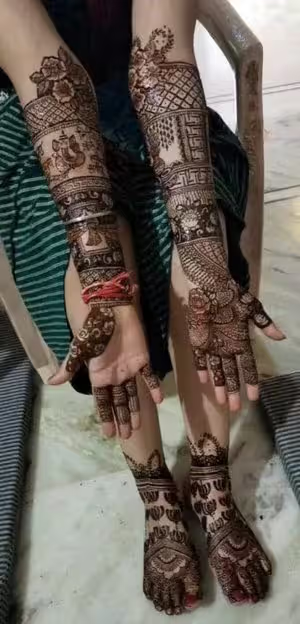
Contemporary Moroccan Ring Pattern Mehndi Design for Full Hand
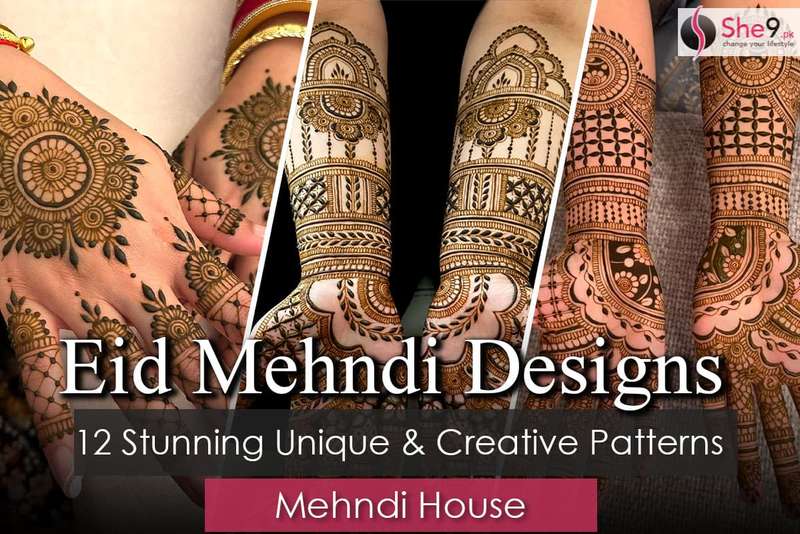
Contemporary Moroccan Spiral Rosette Mehndi Design for Finger

Detailed Gulf Crescent Motif Mehndi Design for Finger
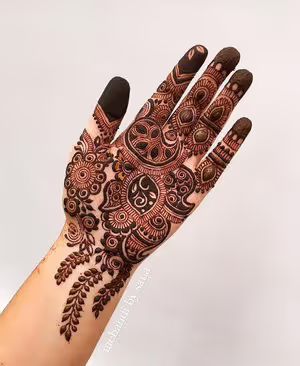
Charming Gulf Mesh Jaal Mehndi Design for Finger
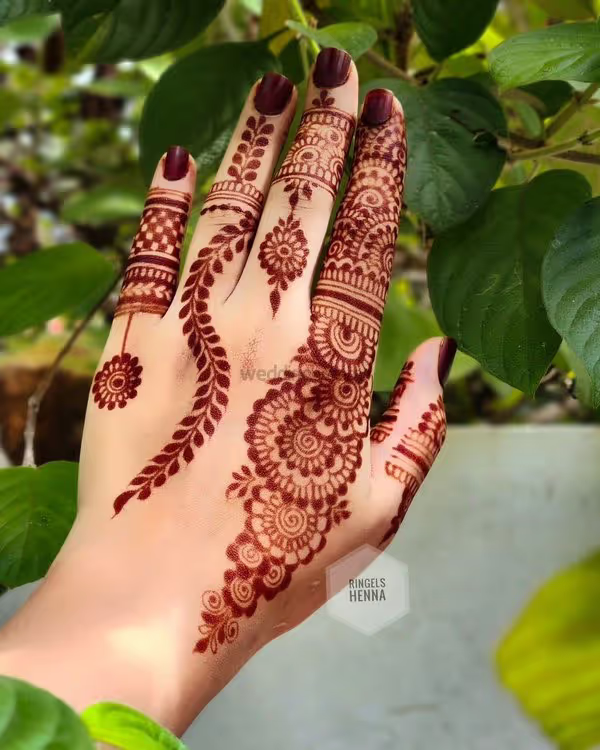
Stunning Gulf Mesh Jaal Mehndi Design for Full Hand
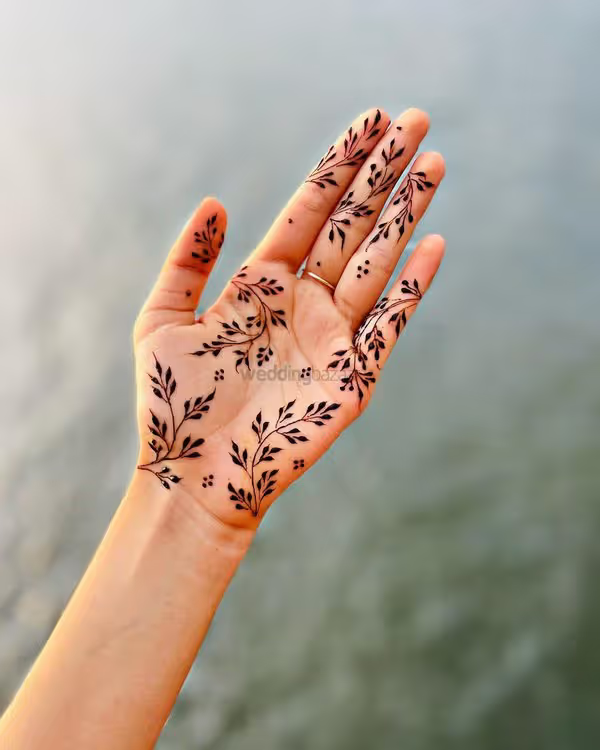
Mesmerizing Gulf Butterfly Wing Mehndi Design for Full Hand
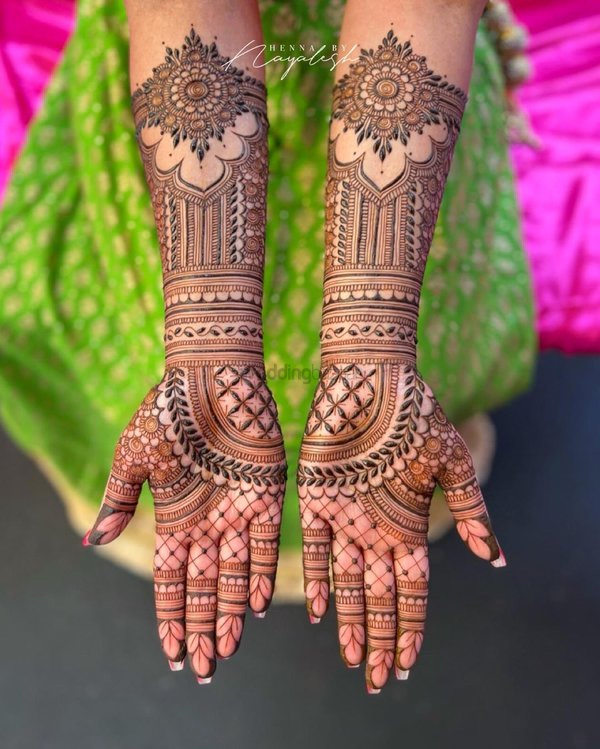
Classic Gulf Dotwork Mehndi Design for Back Hand
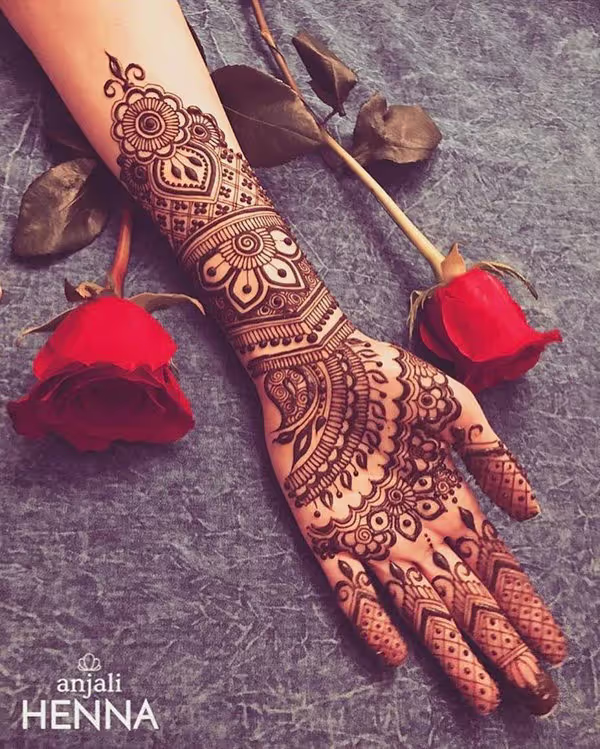
Contemporary African Chain Link Mehndi Design for Back Hand
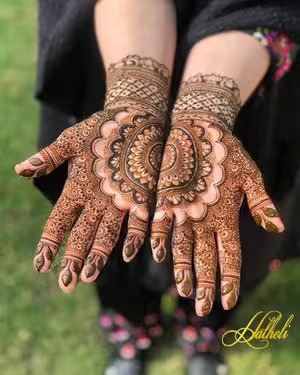
Bold African Wave Pattern Mehndi Design for Full Hand
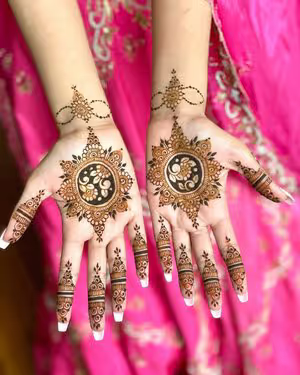
Elaborate African Bracelet Cuff Mehndi Design for Arm
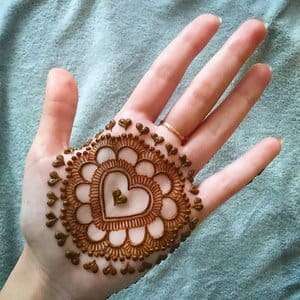
Graceful Indonesian Bell Garland Mehndi Design for Arm
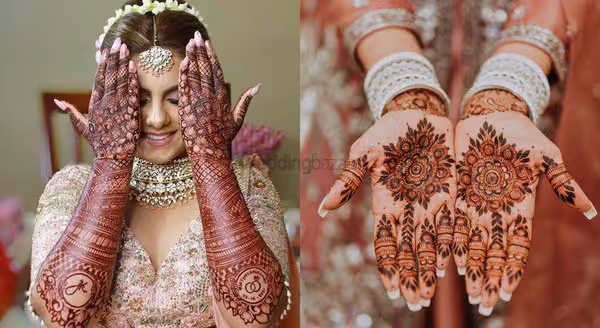
Radiant Indonesian Circular Medallion Mehndi Design for Foot
.avif)
Bold Indonesian Leaf Trail Mehndi Design for Finger
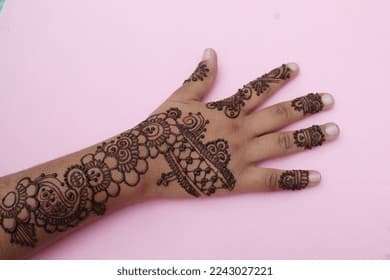
Ornate Indonesian Leaf Trail Mehndi Design for Back Hand
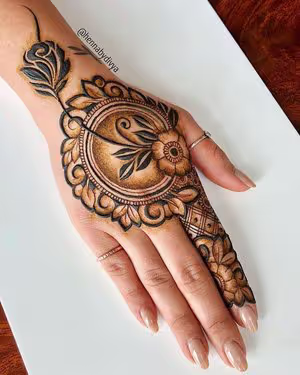
Elaborate Bridal Mesh Jaal Mehndi Design for Front Hand
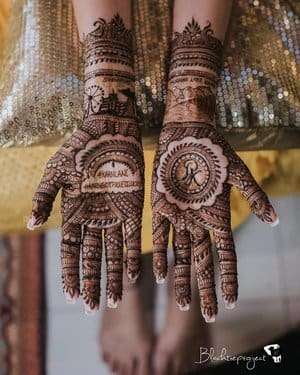
Charming Bridal Dotwork Mehndi Design for Front Hand
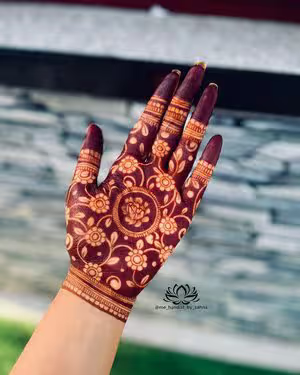
Graceful Bridal Heart Vine Mehndi Design for Finger
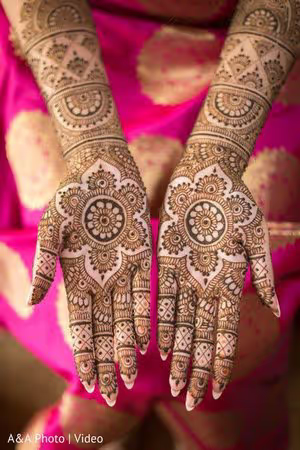
Gorgeous Simple Sunburst Mehndi Design for Arm
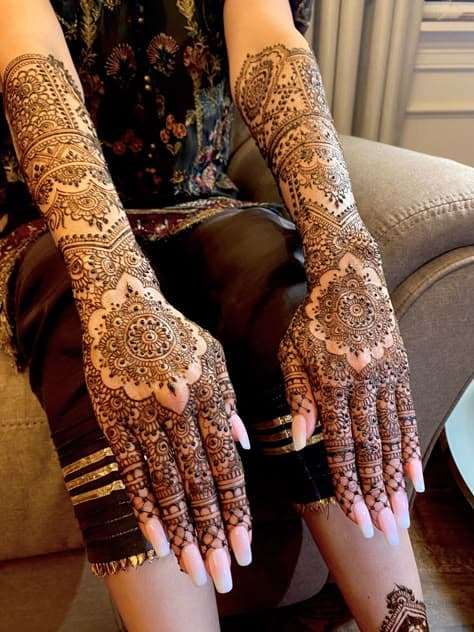
Artistic Simple Crescent Motif Mehndi Design for Foot
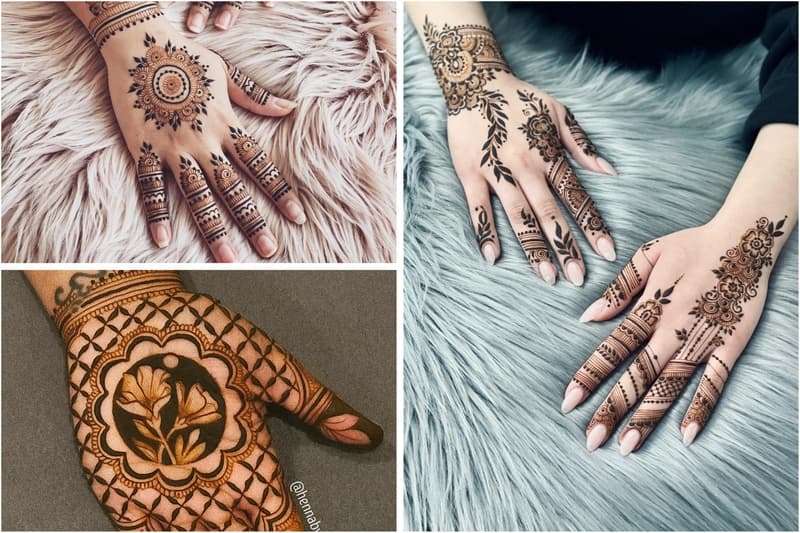
Traditional Simple Peacock Motif Mehndi Design for Front Hand
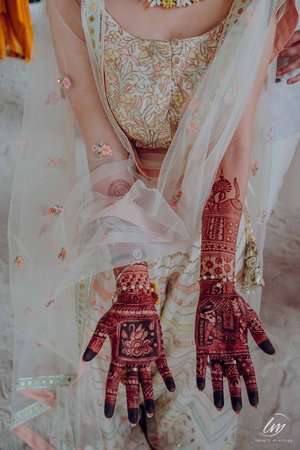
Dainty Simple Ribbon Weave Mehndi Design for Finger
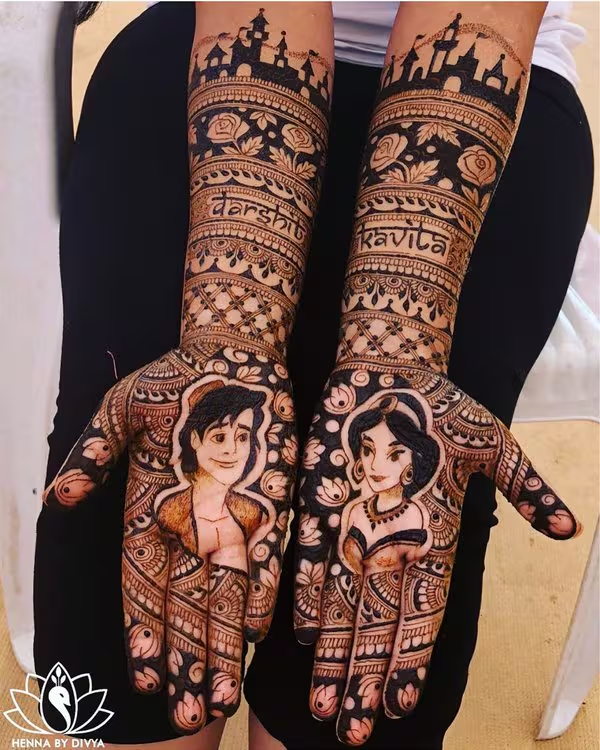
Dainty Modern Ring Pattern Mehndi Design for Finger
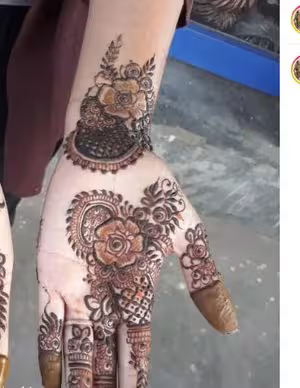
Elaborate Modern Floral Vine Mehndi Design for Back Hand
.avif)
Artistic Modern Feather Stroke Mehndi Design for Back Hand
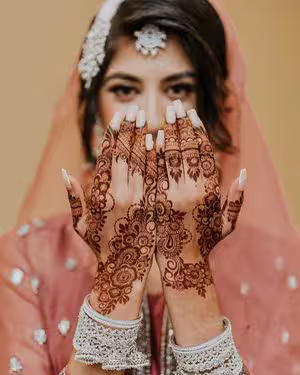
Artistic Modern Heart Vine Mehndi Design for Full Hand
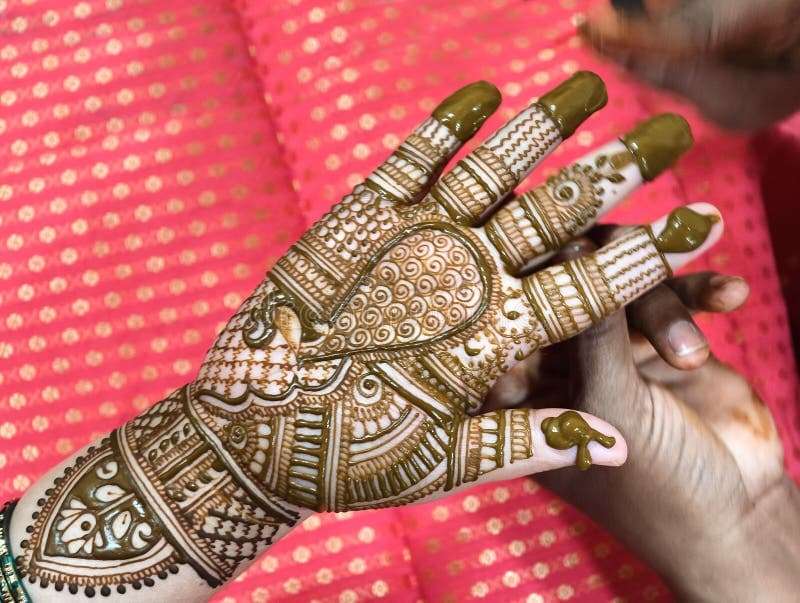
Delicate Traditional Anklet Border Mehndi Design for Full Hand
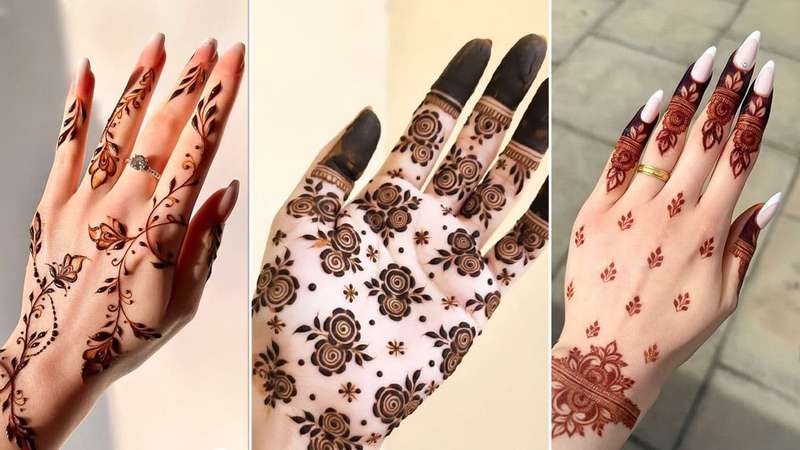
Elegant Traditional Leaf Trail Mehndi Design for Full Hand
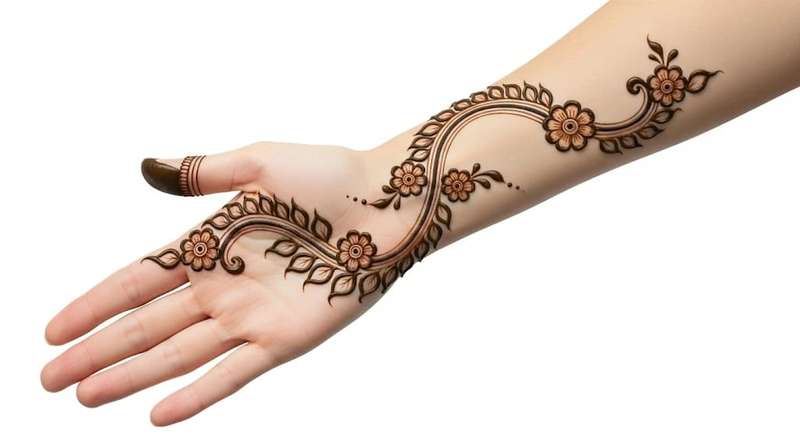
Mesmerizing Traditional Geometric Grid Mehndi Design for Finger
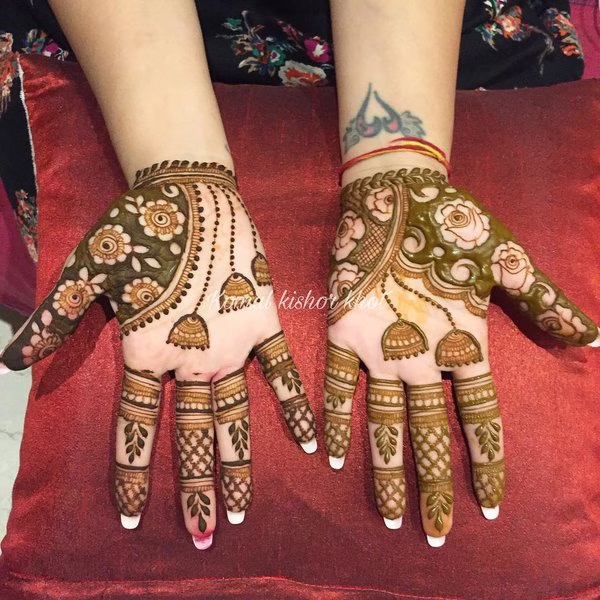
Mesmerizing Minimal Bell Garland Mehndi Design for Finger
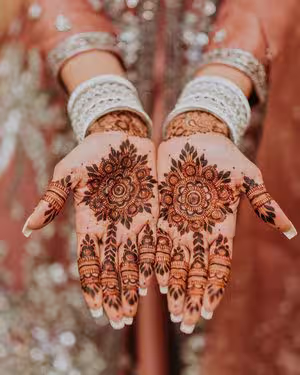
Delicate Minimal Wave Pattern Mehndi Design for Back Hand
Arabic Mehndi Designs: Background and Style
Arabic mehndi originated in the Arabian Peninsula and spread through trade routes to North Africa and South Asia. In Gulf culture, henna is applied at the 'Laylat al-Henna' (Henna Night) before weddings. Arabic designs are distinguished by their bold, free-flowing patterns with ample negative space. The art of Arabic henna emphasizes large floral motifs connected by flowing vines and leaves. Gulf Arabic henna artists often use a thicker paste for bolder, more dramatic lines. Arabic mehndi designs are considered the easiest to learn for beginners due to their flowing nature. The negative space in Arabic henna is intentional — it allows each motif to stand out dramatically. In Emirati tradition, henna is applied to both hands and feet of the bride by a professional 'hannaya'.
Common motifs
- bold florals
- free-flowing vines
- leaves and petals
- paisley drops
- shading and filling
- negative space emphasis
- diagonal trails
- cuff and bracelet borders
Application tips
- Use a cone with a slightly larger opening for the signature thick-line Arabic style.
- Start from the index finger and flow the design diagonally across the hand.
- Practice the signature Arabic leaf first — a pointed almond shape with internal line work.
- Leave deliberate gaps between motifs; the spacing is what defines Arabic style.
- Arabic shading uses parallel lines inside motifs for a hatched-fill look.