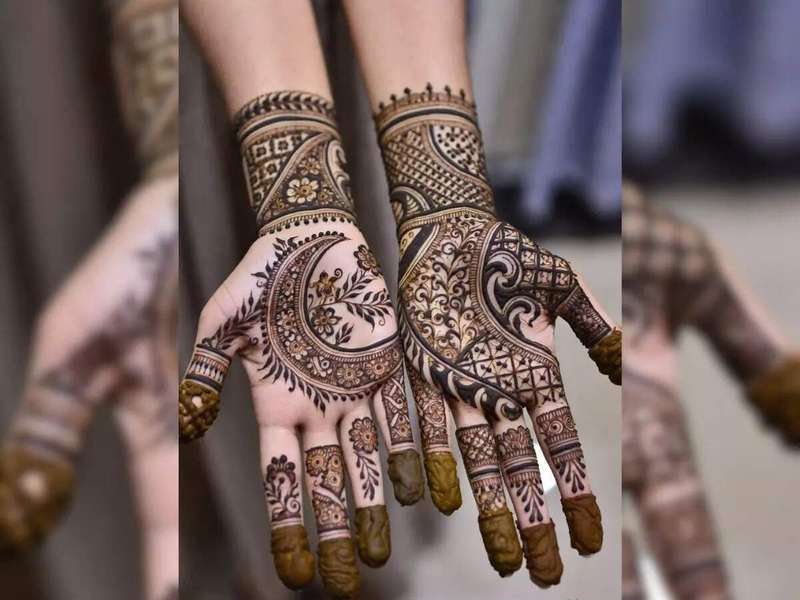
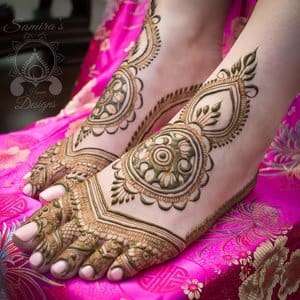
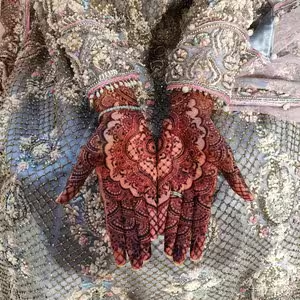
Looking for more?
Explore our gallery for thousands of high-quality mehndi designs and inspirations.
View Full GalleryIndian Mehndi Styles: Traditional Rajasthani, Mughal and Bridal Designs
The Living Art of Indian Mehndi
India's mehndi tradition stretches back over five thousand years, rooted in the ancient Vedic customs of the subcontinent. What began as a cooling paste applied to the palms and soles during scorching summers gradually evolved into one of the most sophisticated and meaningful body art traditions in the world. Today, Indian mehndi is celebrated not only across the Indian subcontinent but in communities worldwide, gracing hands and feet during weddings, festivals, and religious ceremonies.
Unlike other global henna traditions that tend toward uniformity, Indian mehndi is astonishingly diverse. Each region—from the deserts of Rajasthan to the tropical coasts of Kerala—has cultivated its own visual language of motifs, layouts, and application techniques. Understanding these styles is essential for anyone who appreciates the depth and artistry of henna, whether you are a bride-to-be, a practicing artist, or simply a lover of cultural art forms.
In this comprehensive guide, we explore the major Indian mehndi styles in detail, trace their historical origins, and offer practical tips to help you choose and care for designs that honor this ancient craft. Be sure to browse our gallery for visual examples of each style discussed below.
Rajasthani Mehndi: The Desert's Royal Canvas
Rajasthani mehndi is perhaps the most iconic of all Indian henna styles, synonymous with opulence, intricacy, and storytelling. Originating in the royal courts and vibrant bazaars of Rajasthan—particularly in cities like Jaipur, Jodhpur, and Udaipur—this style is distinguished by its bold, densely packed designs that cover nearly every inch of visible skin on the hands and feet.
The hallmark of Rajasthani mehndi lies in its narrative quality. Traditional designs often depict scenes from daily life, folklore, and royal processions. It is common to see depictions of palanquins (dolis), dancing figures, elephants in ceremonial regalia, and the bride and groom in wedding attire. These miniature illustrations transform the hand into a pictorial canvas, each design telling the story of the celebration it adorns.
Signature Motifs and Elements
Several motifs define the Rajasthani aesthetic and set it apart from other Indian styles:
- Peacocks: Representing beauty, grace, and immortality in Hindu mythology, the peacock is arguably the most beloved Rajasthani motif. Artists render peacocks with sweeping tail feathers filled with fine detail work, often positioned at the center of the palm or as border elements.
- Mirror work (Aaina): Circular motifs resembling the mirror embroidery found in Rajasthani textiles. These are typically filled with cross-hatching or sunburst patterns and surrounded by delicate dots.
- Elephants and camels: Reflecting the animals central to Rajasthani life and ceremony, these figures are drawn with ornate caparisons and howdahs, often as part of a baraat (wedding procession) scene.
- Human figures: Unlike most other mehndi styles, Rajasthani designs frequently include human figures—dancers, musicians, the bride and groom—rendered in exquisite miniature detail.
- Dense filling patterns: The spaces between major motifs are filled with fine lines, dots, checks, and tiny floral elements, ensuring that very little skin remains uncovered.
Application Technique and Layout
Rajasthani mehndi typically follows a full-coverage layout extending from the fingertips to the upper forearm and from the toes to mid-calf. The design is usually symmetrical but not strictly so—artists often create mirror compositions across the two hands while incorporating unique narrative elements on each.
The paste is applied generously, and experienced Rajasthani artists are known for the remarkable consistency of their line work, achieving hair-thin details even in complex figurative scenes. Many traditional artists still use hand-rolled cones made from stiff plastic sheets, preferring the control these offer over pre-made cones.
"In Rajasthan, a bride's mehndi is said to reflect the depth of her love—the darker the stain, the deeper the bond with her partner."
Mughal Mehndi: The Legacy of Imperial Elegance
The Mughal mehndi style draws its inspiration from the artistic traditions of the Mughal Empire, which ruled much of the Indian subcontinent from the sixteenth to the nineteenth century. The Mughals were legendary patrons of the arts, and their influence is still visible in Indian architecture, miniature painting, textile design, and, of course, mehndi.
What distinguishes Mughal mehndi from other Indian styles is its emphasis on refinement, symmetry, and intricate detailing. Where Rajasthani designs tell stories through figurative imagery, Mughal designs achieve their impact through the mathematical precision of their patterns and the exquisite delicacy of their line work.
Jaali Work and Architectural Inspiration
The most celebrated element of Mughal mehndi is jaali (lattice) work—patterns inspired by the carved stone screens found in Mughal monuments like the Taj Mahal, Humayun's Tomb, and the Agra Fort. These interlocking geometric grids create a lace-like effect on the skin, filling large areas with mesmerizing repetition.
Other architectural elements frequently incorporated include:
- Dome and arch motifs: Representing the characteristic Mughal architectural silhouette, these are often placed as central medallions on the palm.
- Floral medallions: Inspired by the pietra dura inlay work of Mughal monuments, these symmetrical floral compositions radiate outward from a central point.
- Vine and tendril borders: Elegant, flowing vine patterns frame the main design and extend along the fingers.
Fine Line Detailing
Mughal mehndi demands extraordinary precision from the artist. The individual lines are often thinner than those in Rajasthani work, and the spacing between elements must be perfectly uniform to achieve the desired lace-like quality. This style rewards patience—both in application and in the hours required for paste to remain on the skin for maximum color development.
For those seeking to master or appreciate this style, studying Mughal miniature paintings and the carved marble panels of the Taj Mahal provides invaluable inspiration. The visual vocabulary of Mughal art translates beautifully onto the human hand.
South Indian Mehndi: Temple Art on Skin
South Indian mehndi has a character distinct from its northern counterparts. While mehndi has historically been less prominent in southern wedding traditions compared to the north, the practice has grown significantly in recent decades, developing its own regional identity rooted in the artistic traditions of Tamil Nadu, Kerala, Karnataka, and Andhra Pradesh.
South Indian designs draw heavily from temple architecture and Dravidian artistic motifs. The iconic gopuram (temple tower), with its tiered, pyramidal silhouette, frequently appears as a central design element. Lotus flowers—sacred in Hindu, Buddhist, and Jain traditions—are rendered with botanical precision, their layered petals creating depth and dimension.
Characteristic Elements
- Paisley (mango/ambi): While paisleys appear across all Indian mehndi styles, South Indian artists often render them larger and more prominently, using them as primary structural elements rather than filler motifs.
- Lotus compositions: Multi-layered lotus designs that reference both the sacred lotus in Hindu iconography and the decorative carvings found in Chola and Pallava temples.
- Bold outlines with open centers: South Indian designs tend to be less densely packed than Rajasthani work, allowing for more negative space and giving the design a cleaner, more graphic appearance.
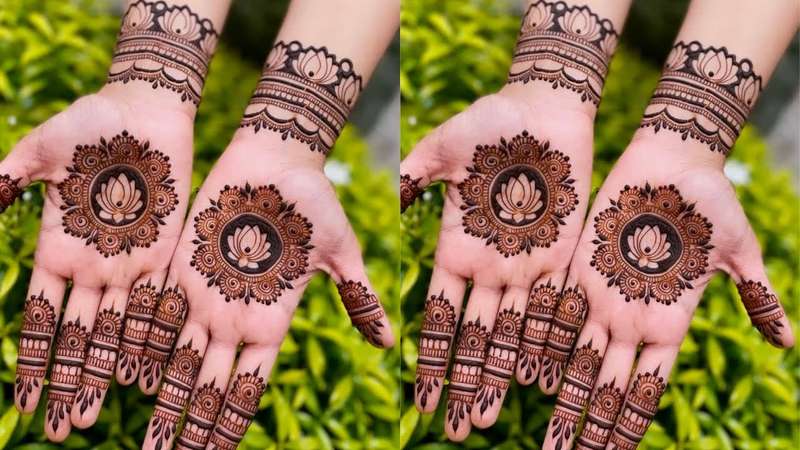
- Circular mandala patterns: Representing the cosmos and spiritual wholeness, mandala-based compositions are popular for palm-centered designs.
South Indian brides traditionally wear mehndi alongside other adornments like toe rings (metti), anklets, and flower garlands, creating a cohesive aesthetic that celebrates the bride's beauty from head to toe.
Indian Bridal Mehndi: The Crown Jewel
Bridal mehndi represents the pinnacle of Indian henna artistry. Regardless of regional style, bridal mehndi is distinguished by its elaborate scope, the time invested in its application—often four to eight hours—and the cultural weight it carries. In many Indian communities, the mehndi ceremony is one of the most anticipated pre-wedding events, attended by the bride's closest female relatives and friends.
A traditional Indian bridal mehndi design covers both the front and back of the hands, extends up to the elbows or even higher, and adorns the feet and lower legs. The density and coverage of bridal mehndi far exceeds that of festival or casual designs, reflecting the significance of the occasion.
Hidden Names and Symbolic Details
One of the most beloved traditions in Indian bridal mehndi is the practice of hiding the groom's name within the intricate patterns. The groom is challenged to find his name on the wedding night, a playful ritual that serves as an icebreaker for couples in arranged marriages. Some artists also hide the groom's initials, a significant date, or small pictorial references to the couple's love story.
Other symbolic elements commonly found in bridal mehndi include:
- Kalash (sacred pot): Symbolizing abundance and prosperity in the couple's new life together.
- Swastika: An ancient Hindu symbol of good fortune and auspiciousness, distinct from its misappropriated modern association.
- Fish: Representing fertility, prosperity, and the bride's eyes in some regional traditions.
- Sun and moon: Symbolizing the eternal and enduring nature of the marital bond.
- Bride and groom figures: Often depicted in traditional wedding attire, sometimes in a baraat procession scene.
Choosing a Bridal Mehndi Artist
Selecting the right artist for bridal mehndi is one of the most important decisions in Indian wedding planning. Consider these factors:
- Portfolio review: Examine the artist's previous bridal work, paying attention to line consistency, design complexity, and stain quality in healed photos.
- Style specialization: Ensure the artist's strength aligns with your preferred style, whether Rajasthani, Mughal, or contemporary fusion.
- Trial session: A trial application on the wrist or forearm allows you to assess both the artist's skill and how your skin takes color.
- Henna quality: Professional bridal artists should use freshly mixed, natural henna paste free from chemical additives. Ask about their paste sourcing and preparation methods.
Modern Indo-Fusion Mehndi: Tradition Meets Innovation
Contemporary Indian mehndi has embraced innovation while remaining rooted in traditional motifs. Indo-fusion mehndi blends elements from different regional styles—combining Mughal jaali work with Rajasthani figurative elements, or pairing South Indian lotus motifs with Arabic-style negative space, for instance.
This fusion approach has been accelerated by social media, where artists from different regions share their work and inspire cross-pollination of styles. Popular modern trends include:
- Minimalist mehndi: Clean-lined designs with ample negative space, popular for engagement parties and modern brides seeking a contemporary look.
- Portrait mehndi: Hyper-realistic portraits of the couple, deities, or beloved pets incorporated into traditional layouts—a trend pioneered by artists on Instagram.
- Mandala-centric designs: Large, symmetrical mandala compositions that serve as the focal point, surrounded by complementary smaller motifs.
- Geometric fusion: Incorporating geometric shapes and Art Deco influences alongside traditional Indian motifs for a striking contrast of old and new.
- White henna and gilded accents: While not traditional henna (as white and gold pastes do not stain the skin), these cosmetic alternatives are increasingly popular for non-traditional celebrations and photoshoots.
You can explore different styles in our curated collection to find the perfect blend of tradition and modernity for your next celebration.
The Cultural Significance of Mehndi in Indian Life
Beyond its aesthetic beauty, mehndi holds profound cultural and spiritual significance in Indian society. In Hindu tradition, mehndi is considered auspicious (shubh) and is associated with the goddess Lakshmi, the deity of wealth, fortune, and prosperity. Its application before weddings is believed to invite Lakshmi's blessings upon the union.
Mehndi also plays a central role in festivals. During Karva Chauth, married women apply mehndi as part of their fasting ritual for their husband's longevity. During Teej, women in Rajasthan and northern India celebrate the arrival of monsoon with elaborate mehndi alongside singing and dancing. Eid celebrations across Indian Muslim communities feature mehndi prominently, with designs ranging from simple fingertip applications to full bridal-style coverage.
The mehndi ceremony (Mehndi ki Raat) itself is one of the most joyous pre-wedding events. Traditionally held one to two days before the wedding, it features music (often live dhol players), dancing, singing of folk songs, and the communal application of mehndi to the bride and her female guests. In modern celebrations, this event has expanded to include men, professional entertainment, and themed décor.
Henna Paste Quality and Preparation Tips
The quality of your mehndi design depends as much on the paste as on the artist's skill. Understanding henna paste preparation helps you achieve the deepest, richest stains possible:
- Source matters: The finest henna powder comes from Rajasthan's Sojat region, known for producing leaves with the highest lawsone content—the molecule responsible for henna's characteristic reddish-brown stain.
- Freshness is key: Henna paste should be mixed twelve to forty-eight hours before application to allow proper dye release. Over-aged paste loses potency and produces muddy, orange-toned stains.
- Acidic medium: Mixing henna with lemon juice or a mildly acidic tea accelerates dye release and improves color payoff compared to water alone.
- Essential oils: Adding eucalyptus, tea tree, or lavender essential oil enhances stain darkness by improving lawsone absorption into the skin.
- Sugar syrup seal: Dabbing a mixture of lemon juice and sugar over the dried paste helps it adhere to the skin longer, preventing flaking and improving color.
Aftercare for Maximum Color
After the paste is removed, the initial stain will appear bright orange—this is normal. Over the next twenty-four to forty-eight hours, the color will oxidize and deepen to a rich brown or maroon. To maximize your stain:
- Leave the paste on for a minimum of six hours, ideally overnight for bridal mehndi.
- Avoid water contact on the stained area for at least twelve hours after paste removal.
- Apply a natural oil or balm (coconut oil, shea butter) before any water exposure to create a protective barrier.
- Avoid chlorinated pools, harsh soaps, and exfoliating products on the hennaed area.
- Body heat enhances color—keeping hands warm after application encourages deeper staining.
Choosing the Right Indian Mehndi Style for Your Occasion
With so many styles to choose from, selecting the right one depends on the occasion, your personal aesthetic, and the level of coverage you desire:
- Weddings: Full-coverage Rajasthani or Mughal designs for the bride; simpler versions for guests. Consider the bride's outfit and jewelry when planning the design layout.
- Engagement parties: Moderate-coverage designs in a fusion or contemporary style, focusing on the back of the hands and extending slightly past the wrists.
- Festivals (Diwali, Eid, Teej): Medium-coverage designs that can be completed in one to two hours, incorporating motifs relevant to the celebration.
- Casual wear: Minimalist or single-element designs—a mandala on the palm, a vine along the finger, or a small motif on the wrist—for everyday beauty.
Whatever style you choose, Indian mehndi is a celebration of beauty, heritage, and the human connection to art. Each design carries within it centuries of tradition, the skill of the artist, and the joy of the occasion it adorns. Visit our blog to continue exploring the world of mehndi artistry and discover the style that speaks to your story.
Frequently Asked Questions (FAQs)
How long does Indian bridal mehndi typically take to apply?
A full traditional Indian bridal mehndi design covering both hands up to the elbows and feet up to the calves typically takes between 4 to 8 hours to apply, depending on the intricacy of the motifs (like Rajasthani or Mughal styles) and the speed of the artist.
Why do Indian brides hide the groom's name in their mehndi?
Hiding the groom's name is a playful cultural tradition. On the wedding night, the groom is challenged to find his name hidden within the intricate patterns. It serves as an icebreaker and symbolizes patience and dedication in the marriage.
What is the difference between Rajasthani and Mughal mehndi?
Rajasthani mehndi often features dense, narrative designs with human figures, peacocks, and daily life scenes. Mughal mehndi, on the other hand, focuses on architectural elegance, precise geometric jaali (lattice) work, and symmetrical floral patterns without human figures.
Mehndi Design Henna Editorial Team
Henna Art & Cultural SpecialistsOur dedicated team of professional henna artists, cultural researchers, and beauty enthusiasts curate comprehensive guides, traditional patterns, and modern mehndi trends from around the world.
Browse Related Mehndi Designs
Read Next
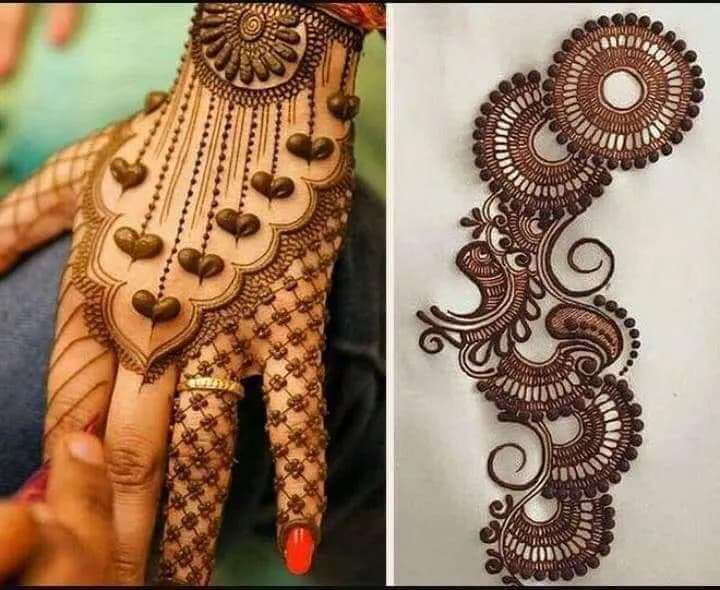
Arabic Mehndi Designs: Bold, Beautiful and Timeless Patterns
Discover the bold flowing beauty of Arabic mehndi featuring dramatic vine patterns, heavy shading, Gulf and Levantine styles, and timeless floral motifs.
Bridal Mehndi Planning Guide: How to Choose Your Wedding Henna Design & Book an Artist
An in-depth, comprehensive look at Bridal Mehndi Guide: How to Choose the Perfect Wedding Henna Design. Discover the history, techniques, and modern trends shaping this beautiful art form.
The Ultimate Henna Guide: Origins, Chemistry, Safety & Aftercare
A comprehensive masterclass on natural henna: botanical chemistry, historical origins, application techniques, safety warnings, and complete stain aftercare.