Looking for more?
Explore our gallery for thousands of high-quality mehndi designs and inspirations.
View Full GalleryPakistani Bridal Mehndi: Rich Traditions and Modern Design Trends
The Heart of Pakistani Wedding Celebrations
In Pakistani culture, the mehndi ceremony is far more than an occasion for decorating the bride's hands—it is one of the most emotionally charged and joyous events in the entire wedding celebration. Known as Rasm-e-Henna or simply the Mehndi, this event is deeply embedded in the cultural fabric of Pakistan, blending Mughal heritage, regional folk traditions, and Islamic customs into a celebration that is uniquely Pakistani.
While Pakistani wedding festivities span several days—often including the Dholki, Mayun, Mehndi, Barat, and Walima—the Mehndi holds a special place as the event where families come together in uninhibited celebration. It is traditionally the most colorful, musical, and participatory of all the wedding events, and the bridal mehndi applied during this ceremony carries deep symbolic weight regarding the bride's transition to married life.
Whether you are a bride planning your mehndi celebration, an artist seeking to understand Pakistani design traditions, or someone fascinated by the cultural heritage of South Asian weddings, this guide offers a thorough exploration of Pakistani bridal mehndi—its rituals, aesthetics, symbolism, and evolving contemporary trends.
Rasm-e-Henna: The Ceremony Itself
The Rasm-e-Henna ceremony typically takes place one to two nights before the main wedding day (the Barat). Historically, the mehndi event was an intimate affair held at the bride's home, attended exclusively by women from both the bride's and groom's families. However, in contemporary Pakistani culture, the Mehndi has evolved into a large-scale, co-ed celebration that often rivals the Barat in grandeur and guest count.
Traditional Elements of the Ceremony
Despite its modern evolution, several traditional elements remain central to the Pakistani Mehndi:
- The Mehndi Thaal: A decorated tray (thaal) carrying henna paste, candles, sweets, and sometimes flowers is brought into the ceremony. This tray is often adorned with marigolds, rose petals, and oil lamps, creating a visually stunning centerpiece.
- Application by elders: In the traditional ritual, the mother of the groom, or a senior female relative from the groom's side, applies the first dot of henna to the bride's palm. This act symbolizes the groom's family welcoming the bride into their household.
- Dupatta covering: The bride is often seated under a decorated canopy or covered with an embroidered dupatta (shawl) in green or yellow, both colors associated with new beginnings and prosperity in Pakistani culture.
- Music and dance: The Mehndi is defined by its musical energy. Traditional folk songs (mehndi ke geet) are sung, often in a playful competitive format between the bride's and groom's families. The dholak (double-headed drum) provides the rhythmic foundation, and choreographed dance performances by family members and friends have become a beloved modern addition.
- Green and yellow palette: The traditional color scheme of the Pakistani Mehndi features vibrant greens and yellows—in the bride's outfit, the décor, and the flower arrangements. These colors symbolize fertility, prosperity, and the freshness of new beginnings.
The Groom's Mehndi
In Pakistani tradition, the groom also has henna applied, though typically in a much simpler form—a small dot or simple pattern on the palm. In some families, the groom has his own smaller mehndi gathering, while in others, the bride's and groom's mehndi celebrations have merged into a single grand event. The groom's participation acknowledges that the wedding is a union of two individuals, not merely a ceremony centered on the bride.
The Aesthetic of Pakistani Bridal Mehndi
Pakistani bridal mehndi occupies a unique aesthetic space that reflects the country's position at the crossroads of South Asian, Central Asian, and Middle Eastern artistic traditions. While sharing common roots with Indian mehndi, Pakistani designs have developed distinctive characteristics that set them apart.
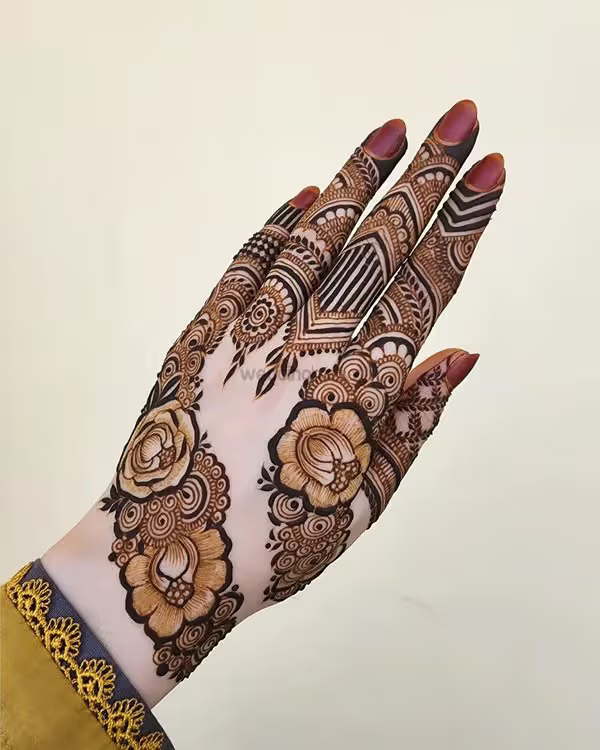
The overarching quality of Pakistani bridal mehndi is one of dense, flowing elegance. Designs typically cover the full hands (front and back), extend to the elbows or beyond, and adorn the feet and lower legs. The coverage is comprehensive, with minimal negative space, creating the appearance of delicate textile draped over the skin.
Jaal Work: The Signature Pakistani Element
Jaal (net) work is perhaps the most defining feature of Pakistani mehndi. This technique creates an all-over mesh or grid pattern that fills large areas of the design with uniform, interlocking shapes—typically diamonds, hexagons, or curved lattice forms. The effect resembles the fine netting of a bridal dupatta or the carved lattice screens found in Mughal architecture.
Jaal patterns serve both aesthetic and structural functions in a design. They provide a cohesive background texture against which larger focal motifs—flowers, paisleys, mandalas—stand in relief. The uniformity of the jaal also creates a sense of sophistication and restraint, even within a densely packed design.
Floral and Paisley Motifs
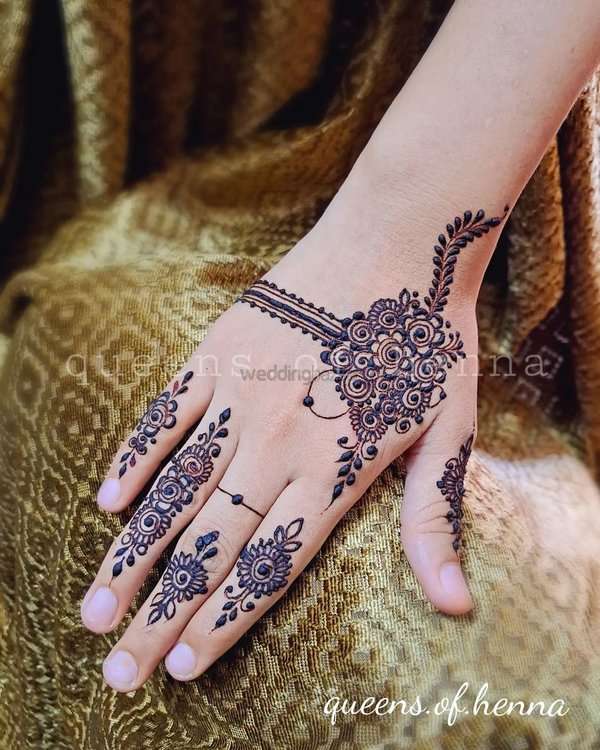
Pakistani mehndi is deeply floral. Roses, jasmine, lotus blossoms, and abstract multi-petaled flowers appear throughout bridal designs, often rendered with soft shading that gives them a three-dimensional quality. The paisley (buti) is another cornerstone motif, appearing in various sizes from small filler elements to large focal compositions.
What distinguishes Pakistani floral work from Indian or Arabic approaches is the layering technique. Pakistani artists build floral elements in multiple layers, with petals overlapping and intertwining to create depth. This technique, combined with fine dot work and delicate leaf trails, produces a lush, garden-like composition that seems to bloom across the skin.
Full-Coverage Design Layout
Traditional Pakistani bridal mehndi follows a specific layout convention:
- Palm center: A large circular or oval mandala or floral medallion serves as the anchor of the design.
- Finger coverage: Each finger is fully covered with a combination of line patterns, small florals, and paisley trails, often with each finger featuring a slightly different but harmonious design.
- Back of hand: A complementary design on the dorsal side, often featuring a central medallion that mirrors the palm design in theme if not in exact form.
- Wrist to elbow: The design extends upward with gradually decreasing density, transitioning from dense coverage near the wrist to more open, trailing elements near the elbow.
- Feet and ankles: Foot designs echo the hand patterns, with the sole receiving a palm-like focal design and the top of the foot featuring vine and floral trails extending to the ankle or calf.
The Tradition of Hiding the Groom's Name
One of the most charming traditions in Pakistani (and broader South Asian) bridal mehndi is the practice of hiding the groom's name within the intricate hand designs. The letters of the groom's name are cleverly concealed within the curves of paisleys, the petals of flowers, or the lines of geometric patterns, challenging the groom to find them on the wedding night.
This tradition serves several purposes beyond playful entertainment. It encourages the groom to spend time carefully examining his bride's hands—a moment of quiet intimacy at the start of married life. In the context of arranged marriages, which remain common in Pakistani culture, this ritual provides a gentle, structured occasion for the couple to interact closely and begin building their connection.
Some artists take this tradition further, concealing additional elements—the wedding date, a meaningful phrase, or small symbols that reference the couple's courtship—creating a private visual love letter that only the couple can fully appreciate.
Regional Variations Across Pakistan
While the overall aesthetic of Pakistani mehndi is relatively unified compared to the extreme regional diversity of Indian styles, subtle regional differences do exist:
- Punjab: Designs tend to be the most densely packed and elaborate, reflecting the Punjabi love for ornamentation. Bridal mehndi from Lahore and surrounding areas is particularly known for its detailed jaal work and full-coverage approach.
- Sindh: Sindhi mehndi often incorporates geometric elements and bold patterns influenced by the region's rich textile traditions—particularly Ajrak block-printing motifs with their distinctive geometric repeats in deep indigo tones.
- Khyber Pakhtunkhwa and Balochistan: Mehndi traditions in the western provinces tend toward simpler, bolder designs with less emphasis on fine detail work. Tribal and geometric influences are more prominent, reflecting the cultural aesthetics of Pashtun and Baloch communities.
- Karachi metropolitan style: As Pakistan's largest and most cosmopolitan city, Karachi has developed a hybrid mehndi aesthetic that freely blends Pakistani traditional motifs with Arabic bold strokes, Indian narrative elements, and contemporary minimalist approaches.
Modern Trends in Pakistani Bridal Mehndi
Pakistani bridal mehndi has undergone significant evolution in recent years, influenced by social media exposure, cross-cultural exchange, and changing bridal preferences. While traditional full-coverage designs remain the gold standard for most brides, several contemporary trends have emerged:
Contemporary Fusion Designs
Pak-Arabic fusion is one of the most popular current trends. These designs blend the structural complexity of Pakistani mehndi with the bold, negative-space-embracing aesthetic of Arabic henna. The result is a design that feels modern and clean while retaining the ornamental richness that Pakistani brides expect. You can explore these fusion styles in our curated collection.
Minimalist Bridal Mehndi
A growing number of Pakistani brides are opting for less-is-more approaches—designs that are beautifully detailed but cover less area, perhaps stopping at the wrist rather than extending to the elbow. This trend reflects broader shifts in Pakistani bridal fashion toward lighter, more contemporary aesthetics, and it allows the mehndi to complement rather than compete with elaborate bridal jewelry.
Personalized Story Elements
Beyond hidden names, modern Pakistani bridal mehndi increasingly incorporates personalized narrative elements. Couples' first meeting locations, architectural details of meaningful places, favorite flowers, and even beloved pets are being worked into designs. This trend transforms bridal mehndi from a cultural obligation into a deeply personal artistic statement.
Social Media Influence
Instagram and TikTok have profoundly impacted Pakistani bridal mehndi, creating a global marketplace of ideas and raising expectations for design quality. Brides arrive at their mehndi appointments with extensive Pinterest boards and Instagram saved collections, and artists are expected to produce camera-ready results that will withstand the scrutiny of high-resolution wedding photography.
Selecting Your Bridal Mehndi Artist
Choosing the right mehndi artist for a Pakistani wedding is a decision that deserves careful consideration. The artist must not only possess technical skill but also understand the cultural nuances and emotional significance of the work:
- Review healed stain photos: Fresh mehndi always looks impressive, but the true test of an artist's skill is the quality of the stain two to three days after application. Request photos of healed work to assess color consistency and depth.
- Discuss timeline: Full bridal Pakistani mehndi can take six to ten hours. Ensure your artist is comfortable with extended sessions and discuss break schedules.
- Paste quality: Insist on natural henna paste without chemical additives like PPD (para-phenylenediamine), which can cause severe allergic reactions. Quality natural henna produces a safe, rich reddish-brown stain.
- Design consultation: A thorough pre-wedding consultation allows you to communicate your preferences, discuss the design layout, and establish how personal elements like the hidden name will be incorporated.
- Guest mehndi arrangements: Many artists offer packages that include mehndi application for wedding guests. Discuss whether additional artists will be available for the mehndi event itself.
Aftercare for Pakistani Bridal Mehndi
Achieving the darkest possible stain is a priority for Pakistani brides, as cultural belief holds that a deep mehndi color signifies a loving and supportive relationship with the mother-in-law. While genetics, body chemistry, and skin temperature all influence stain depth, proper aftercare can significantly enhance results:
- Extended paste time: Leave the henna paste on for a minimum of eight hours. Many brides sleep with the paste on, wrapping their hands in tissue paper or cotton gloves to prevent smudging.
- Sugar-lemon seal: Apply a mixture of lemon juice and sugar over the dried paste to help it adhere and prevent cracking.
- Heat exposure: Gently warming the hands near a clove-studded lemon or a heating pad after paste removal encourages oxidation and darkens the stain.
- Avoid water: Keep the hennaed areas completely dry for at least twelve to twenty-four hours after paste removal. When you do wash, use a gentle, non-soap cleanser.
- Protective balm: Apply mustard oil, coconut oil, or a specialized mehndi aftercare balm before any water contact. Oil creates a hydrophobic barrier that protects the stain from premature fading.
Pakistani bridal mehndi is a deeply meaningful tradition that continues to evolve while honoring its rich cultural roots. Whether you choose a traditional full-coverage design or a contemporary fusion approach, your mehndi tells a story—of heritage, of love, and of the beautiful journey ahead. Explore more in our gallery for Pakistani bridal inspiration.
Preserving and Celebrating Pakistani Mehndi Heritage
As Pakistani communities establish themselves across the globe—from the United Kingdom and the Middle East to North America and Australia—the tradition of bridal mehndi has traveled with them, adapting to new contexts while retaining its essential character. Diaspora mehndi artists often blend Pakistani techniques with influences from their adopted homelands, creating vibrant new expressions of a timeless art form.
This global spread has also made Pakistani bridal mehndi more accessible to brides from other cultural backgrounds who admire its beauty and wish to incorporate it into their own celebrations. Cross-cultural appreciation, when practiced with respect and understanding, enriches the tradition rather than diminishing it.
The continuing vitality of Pakistani mehndi—rooted in centuries of tradition yet constantly reinvented by each new generation of artists and brides—is a testament to the enduring power of art to connect us to our heritage, to each other, and to the joyful milestones that mark our lives. Read more about mehndi traditions from around the world on our blog.
Frequently Asked Questions (FAQs)
What is the Rasm-e-Henna ceremony?
Rasm-e-Henna is the traditional Pakistani mehndi ceremony held before a wedding. It involves applying henna to the bride (and sometimes the groom) amidst music, dancing, and singing of folk songs. It's a vibrant, colorful event symbolizing prosperity and welcoming the bride into the groom's family.
What are the main characteristics of Pakistani mehndi designs?
Pakistani mehndi is characterized by dense, elegant coverage, heavy floral layering, and intricate "jaal" (net or lattice) patterns. It blends South Asian intricacy with Arabic and Middle Eastern flowing aesthetics, often featuring large mandalas, paisleys, and minimal negative space on the hands and arms.
How can I ensure my bridal mehndi stain gets very dark?
To get a dark stain, use fresh natural henna (never chemical pastes). Leave the paste on for at least 8 hours, ideally overnight. Apply a lemon-sugar mixture to seal the paste, and keep your hands warm. Avoid washing the area with water or soap for the first 24 hours after removing the paste.
Mehndi Design Henna Editorial Team
Henna Art & Cultural SpecialistsOur dedicated team of professional henna artists, cultural researchers, and beauty enthusiasts curate comprehensive guides, traditional patterns, and modern mehndi trends from around the world.
Browse Related Mehndi Designs
Read Next
Pakistani Mehndi Designs: Traditional Styles, Modern Ideas & Complete Guide
Explore Pakistani mehndi designs from traditional bridal patterns to simple Eid and modern styles. Learn how to choose the right Pakistani mehndi design.
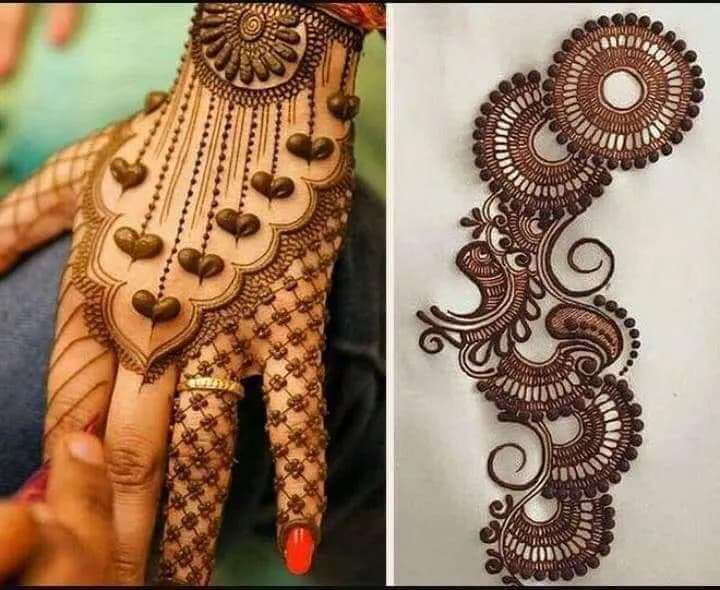
Turkish Henna Night: The Beautiful Kına Gecesi Ceremony and Traditions
Explore the emotional and beautiful Turkish Kına Gecesi henna night ceremony, from Ottoman-era traditions and tulip motifs to music, rituals and regional customs.
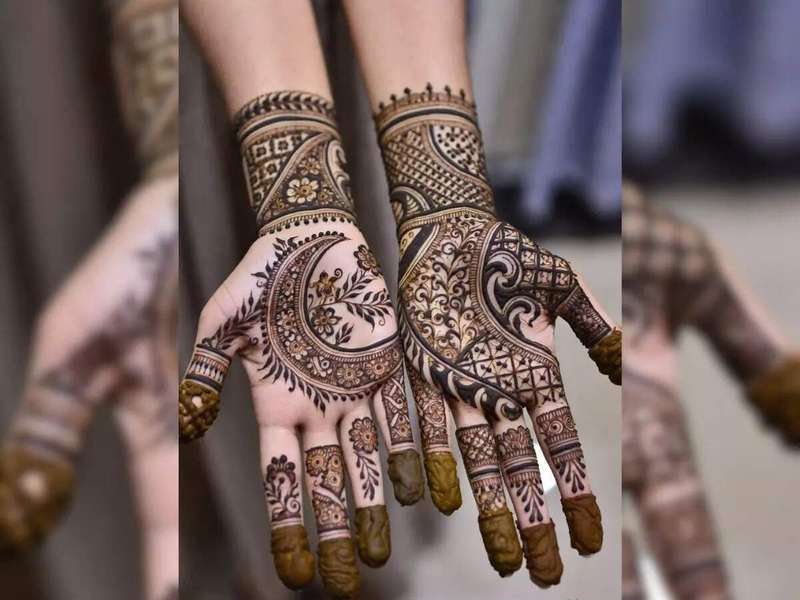
How to Choose the Right Mehndi Design for Your Occasion | Complete Guide
Learn how to choose the perfect mehndi design for weddings, Eid, parties and everyday wear. Explore simple, bridal, Arabic, Pakistani and minimalist mehndi ideas.