Looking for more?
Explore our gallery for thousands of high-quality mehndi designs and inspirations.
View Full GalleryPakistani Mehndi Designs: Traditional Styles, Modern Ideas & Complete Guide
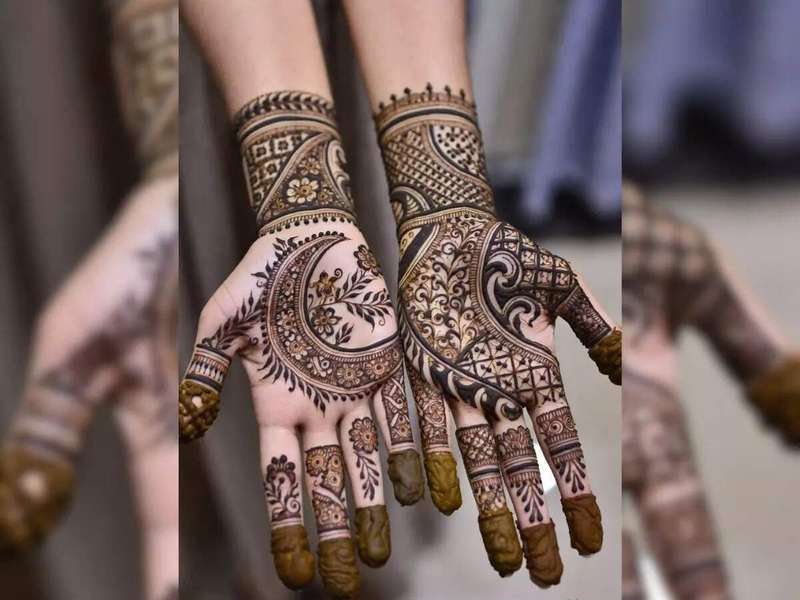
Pakistani mehndi designs are known for their detailed patterns, graceful floral motifs, paisleys, geometric elements and traditional cultural influence. From elaborate bridal mehndi to simple Eid patterns, Pakistani henna offers a wide range of styles for different occasions.
One of the best things about Pakistani mehndi is its flexibility. A design can be highly detailed for a wedding or kept simple for Eid, a family gathering or an everyday occasion.
In this guide, we will explore different Pakistani mehndi styles, how traditional and modern patterns differ, which designs work for different occasions, and how to choose a pattern that suits your hands and personal style. You can also browse our Pakistani Mehndi Designs collection to see hundreds of real patterns for inspiration.
What Makes Pakistani Mehndi Designs Special?
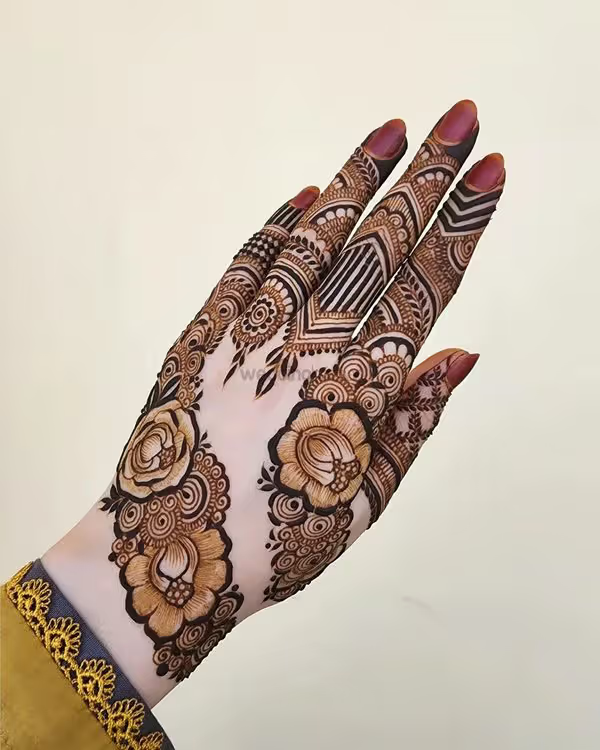
Pakistani mehndi often combines traditional motifs with intricate detailing. Depending on the artist and occasion, a design may include flowers, paisleys, leaves, vines, dots, fine lines and geometric patterns.
Common characteristics include:
- Detailed floral patterns
- Paisley motifs
- Fine line work
- Leafy vines
- Decorative borders
- Geometric details
- Symmetrical patterns
- Traditional motifs combined with modern layouts
Some Pakistani designs are dense and elaborate, while others use open space to create a lighter and more contemporary appearance.
Traditional Pakistani Mehndi Designs
Traditional Pakistani mehndi usually emphasizes detailed patterns and classic motifs.
A traditional design may include a combination of flowers, paisleys, leaves and decorative lines. Bridal designs can extend from the fingers across the palm and toward the wrist or forearm.
Traditional patterns are especially popular for:
- Weddings
- Bridal events
- Family celebrations
- Eid
- Traditional clothing
- Cultural occasions
The amount of detail can be adjusted according to the event and available application time.
Modern Pakistani Mehndi Designs
Modern Pakistani mehndi does not have to cover the entire hand.
Many contemporary designs combine traditional motifs with:
- Negative space
- Minimal floral patterns
- Geometric shapes
- Large statement flowers
- Thin decorative lines
- Finger-only patterns
- Asymmetrical layouts
This approach creates a design that feels traditional while still looking modern.
Pakistani Bridal Mehndi Designs
Bridal mehndi is usually more detailed than everyday mehndi because it is part of a major celebration.
A Pakistani bridal design may combine:
- Flowers
- Paisleys
- Peacocks
- Leaves
- Fine geometric details
- Decorative borders
- Repeated motifs
- Storytelling elements
A bride does not necessarily need the same design on both hands. Some modern bridal patterns use complementary designs while keeping the overall style connected. For a full collection of wedding-ready patterns, explore our Bridal Mehndi Designs gallery.
A bridal design should ideally be chosen several days before the event so there is enough time to practice or discuss the layout with the mehndi artist.
Simple Pakistani Mehndi Designs
Pakistani mehndi does not always mean complicated mehndi.
A simple Pakistani-inspired design can use one large flower, a paisley, a leafy branch or a small geometric composition.
For beginners, start with basic elements:
- Draw a simple flower.
- Add a curved stem.
- Add leaves along the stem.
- Add small dots around the main motif.
- Finish with a few curved lines.
The key is spacing. Even a simple design can look elegant when the elements are balanced. If you are just getting started, our guide on 25 Simple Mehndi Designs for Beginners covers the foundational techniques in detail.
Pakistani Mehndi Designs for Eid
Eid is one of the most popular occasions for applying mehndi.
For Eid, many people prefer designs that are attractive but not as time-consuming as bridal patterns.
Good choices include:
- Floral trails
- Finger designs
- Small paisleys
- Leafy vines
- Wrist bracelets
- Half-hand patterns
- Minimal geometric designs
A medium-detail Pakistani design can provide a festive appearance without covering every part of the hand.
Pakistani Mehndi for Parties
For a party, you can experiment with modern combinations.
Try pairing one large floral motif with smaller leaves and geometric details. Leaving some areas empty can make the design look more fashionable.
A party design can also be placed only on the back of the hand or fingers if you want a lighter appearance.
Front-Hand Pakistani Mehndi
The palm gives you plenty of space for detailed patterns.
A front-hand design can begin with a central motif and gradually extend toward the fingers and wrist.
Popular elements include:
- Mandalas
- Paisleys
- Flowers
- Circular motifs
- Fine lines
- Small dots
If you prefer a more open look, use one main motif instead of filling the complete palm.
Back-Hand Pakistani Mehndi
Back-hand designs can be easier to keep balanced because the pattern can follow the natural shape of the hand.
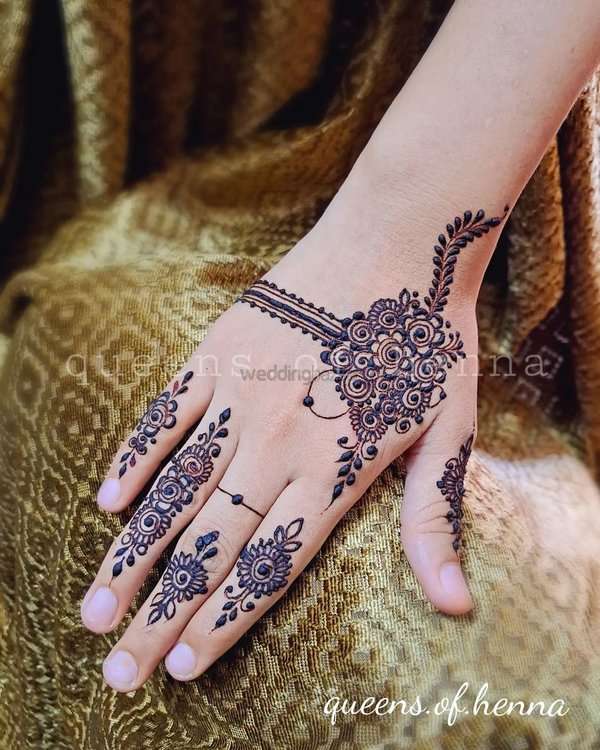
A central flower with a leafy vine can create a simple composition. For a more detailed event design, add paisleys, borders and geometric patterns.
Back-hand mehndi also works well with modern outfits because it can be decorative without feeling too heavy.
Pakistani Finger Mehndi
Finger mehndi is a useful option when you want a quick design.
Instead of decorating the entire hand, you can create small patterns on two or three fingers and connect them visually with a wrist or back-hand motif.
Simple finger designs can include:
- Rings
- Dots
- Small leaves
- Floral lines
- Geometric bands
This style is also suitable for beginners.
Pakistani Mehndi vs Arabic Mehndi
Pakistani and Arabic mehndi can share many motifs, so the difference is not always strict.
Arabic mehndi often uses flowing floral trails, larger motifs and noticeable open spaces.
Pakistani mehndi can use more detailed compositions, fine line work, paisleys and traditional motifs.
However, modern mehndi artists frequently combine elements from both styles. If you like flowing floral compositions, you can also explore our Arabic Mehndi Designs guide for ideas.
How to Choose the Right Pakistani Mehndi Design
Choosing a design becomes easier when you consider five things. Our full guide on how to choose the right mehndi design for your occasion covers this in detail, but here is a quick overview.
1. The Occasion
A bridal event may call for a more detailed design, while Eid or a casual gathering may be better suited to a medium or simple pattern.
2. Your Outfit
Heavily decorated clothing can pair well with a cleaner mehndi design. If your outfit is simple, you may choose a more detailed pattern.
3. Your Available Time
Do not choose a design that requires several hours if you only have a short amount of time.
4. Your Skill Level
Beginners should start with flowers, leaves, dots and simple paisleys before attempting highly detailed compositions.
5. Hand Placement
Think about whether you want the design on:
- Palm
- Back of hand
- Fingers
- Wrist
- Forearm
- Feet
The placement can change the entire appearance of the design.
How to Make a Pakistani Mehndi Design Look More Elegant
A beautiful design is not always about adding more details.
Use Consistent Lines
Clean and consistent lines can make even a simple pattern look professional.
Balance Large and Small Motifs
If you use one large flower, surround it with smaller leaves and details instead of several equally large elements.
Leave Some Open Space
Negative space helps important motifs stand out.
Repeat Motifs Carefully
Repeating a flower or leaf pattern can create visual consistency, but avoid making every part identical.
Follow the Natural Shape of the Hand
Curved vines can follow the wrist and fingers naturally, making the design appear more connected to the hand.
Beginner Practice Routine
If you want to improve your mehndi skills, practice individual elements before attempting a complete design.
Start with:
- Day 1: Lines and dots
- Day 2: Leaves and vines
- Day 3: Basic flowers
- Day 4: Paisleys
- Day 5: Combine the elements
- Day 6: Practice a small hand design
- Day 7: Create your own composition
Common Mistakes to Avoid
Choosing a Design Too Complicated for Your Skill Level
Start with patterns you can control. You can gradually add complexity.
Filling Every Empty Area
More detail does not automatically mean a better design.
Ignoring Proportions
A very large flower next to extremely tiny details can make the composition look unbalanced.
Copying Without Understanding the Layout
Instead of copying every line, understand how the main motifs connect. This makes it easier to create your own variations.
Trying a New Design at the Last Minute
For important events, practice beforehand.
Frequently Asked Questions
What are Pakistani mehndi designs?
Pakistani mehndi designs are henna patterns influenced by Pakistani traditional and contemporary styles. They commonly feature flowers, paisleys, leaves, fine details and decorative patterns.
Are Pakistani mehndi designs difficult for beginners?
Some detailed Pakistani designs can be challenging, but simple floral, leafy and finger patterns are suitable for beginners.
What is the difference between Pakistani and Arabic mehndi?
Arabic mehndi often emphasizes flowing floral trails and open space, while Pakistani designs can feature denser detailing and traditional motifs. Modern designs can combine both styles.
Which Pakistani mehndi design is best for Eid?
Simple or medium-detail floral, paisley, leafy and finger designs are practical choices for Eid.
Are Pakistani mehndi designs good for weddings?
Yes. Pakistani-inspired bridal mehndi can include detailed flowers, paisleys, peacocks and other traditional motifs.
Can Pakistani mehndi designs be simple?
Absolutely. A Pakistani-inspired design can be reduced to a few flowers, leaves, paisleys or geometric details while maintaining a traditional appearance.
Final Thoughts
Pakistani mehndi designs offer an impressive range of possibilities, from detailed bridal patterns to simple finger and Eid designs.
The best design is not necessarily the most complicated one. A well-balanced pattern with clean lines, suitable spacing and carefully selected motifs can look more attractive than an overcrowded design.
Choose your pattern according to the occasion, outfit, available time and skill level. Once you understand the basic elements of Pakistani mehndi, you can also combine traditional motifs with modern layouts to create a style that feels personal.
Explore More Mehndi Designs
Mehndi Design Henna Editorial Team
Henna Art & Cultural SpecialistsOur dedicated team of professional henna artists, cultural researchers, and beauty enthusiasts curate comprehensive guides, traditional patterns, and modern mehndi trends from around the world.
Read Next
Pakistani Bridal Mehndi: Rich Traditions and Modern Design Trends
Discover Pakistani bridal mehndi traditions from the Rasm-e-Henna ceremony to intricate jaal patterns, hidden groom names, and contemporary design trends.
How to Choose the Right Mehndi Design for Your Occasion | Complete Guide
Learn how to choose the perfect mehndi design for weddings, Eid, parties and everyday wear. Explore simple, bridal, Arabic, Pakistani and minimalist mehndi ideas.
25 Arabic Mehndi Design Ideas: Elegant Inspiration for Weddings, Eid & Parties
Explore 25 elegant Arabic mehndi design ideas for weddings, Eid, parties and everyday wear. Inspiration for simple, bold, and modern Arabic henna styles.