
Looking for more?
Explore our gallery for thousands of high-quality mehndi designs and inspirations.
View Full GalleryHenna Designs for Eid: Festive Patterns & Ideas
Eid is a time for family, new clothes, sweet food and celebration — and for many people, henna is one of the most loved parts of it. A fresh henna design on the hands or feet adds colour and joy to the day, and it is often shared with sisters, mothers, cousins and friends in the days before Eid.
Whether you love bold, dramatic patterns or something small and simple, there is an Eid henna design that fits your style. This guide covers the classic patterns people choose for Eid, how Arabic and South Asian styles differ, simple ideas for beginners, and how to plan your henna so the colour is at its best on Eid morning.
What Makes Eid Henna Special?
Henna for Eid is usually more festive than everyday henna. People often choose larger, more decorative patterns, cover both hands, and add henna to the feet for special gatherings. Floral motifs, paisleys, stars and crescents are popular, because they feel celebratory and suit the occasion.
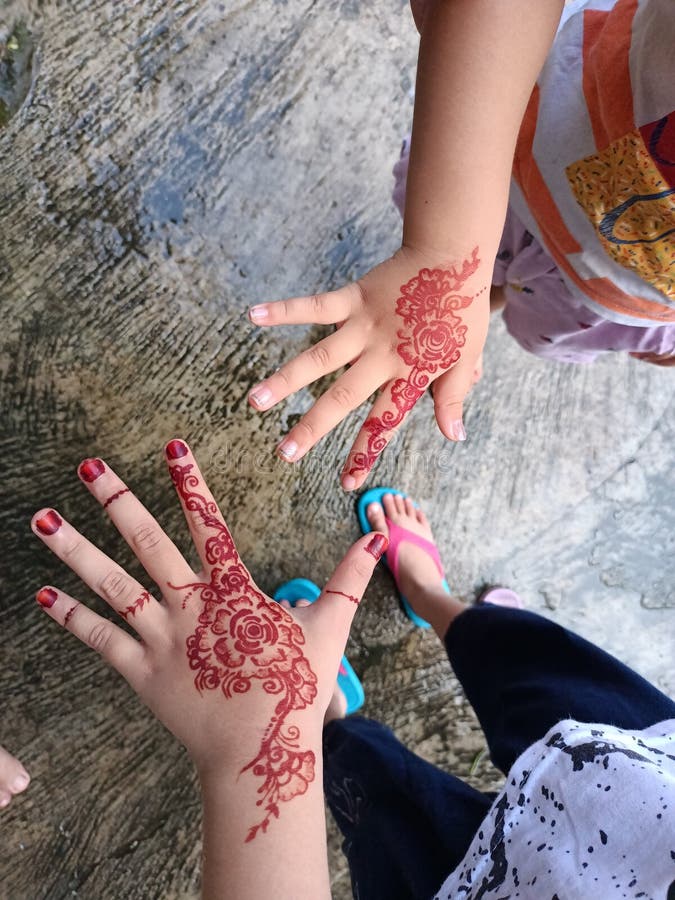
Eid henna is also a shared tradition. In many families, henna is applied the night before Eid, known as Chand Raat, while everyone is getting ready together. That evening is as much a part of the celebration as the design itself, and it is a lovely time to try a new pattern or help a younger relative with their first design.
- Festive motifs: flowers, paisleys, stars, crescents and swirling vines.
- Fuller coverage: many people choose designs that cover the palms and reach the wrists.
- Matching designs: sisters and friends often choose similar patterns in different sizes.
- Feet as well as hands: foot designs are common for Eid gatherings and celebrations at home.
Classic Eid Henna Patterns
Some patterns appear again and again at Eid, because they are beautiful, versatile and easy to adapt. A large central flower or mandala on the palm is a classic starting point. From there, vines and leaves can flow toward the fingers, and a simple band can frame the wrist.
Paisley shapes are another favourite. A paisley can be filled with dots, petals and fine lines, or left mostly open for a lighter look. Floral trails that run from the wrist to the middle finger look elegant on their own, and they work well when you want a design that is noticeable without covering the whole hand.
- Central mandala: a round, symmetrical flower in the middle of the palm.
- Floral vine: a trail of flowers and leaves running along the hand or arm.
- Paisley: a curved, teardrop shape filled with small petals and dots.
- Finger designs: simple bands, dots and small flowers on one or two fingers.
- Feet patterns: a mandala on the top of the foot, with vines toward the toes.
Arabic-Inspired Eid Designs
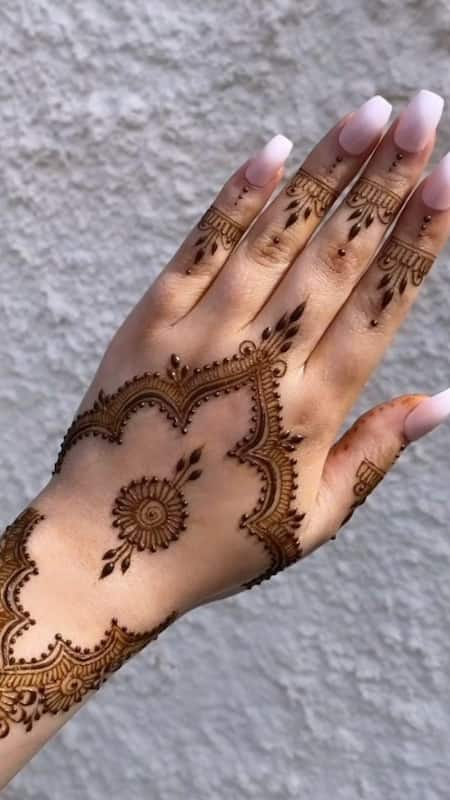
Arabic-style henna is a popular choice for Eid because it looks bold and is often quicker to apply than a very dense design. It uses thick lines, large flowers and open spaces, so the pattern stands out clearly against the skin. A single large flower on the back of the hand, with leaves trailing toward the wrist, is a classic Arabic-inspired Eid look.
This style suits people who want a striking design but do not want their whole hand covered. It also works well for feet, where a large floral motif and a few trailing vines can look festive without taking a long time to apply. If you are short on time on the night before Eid, an Arabic-inspired design is a practical and beautiful option. You can see more examples in our guide to Arabic Mehndi Designs.
South Asian Eid Designs
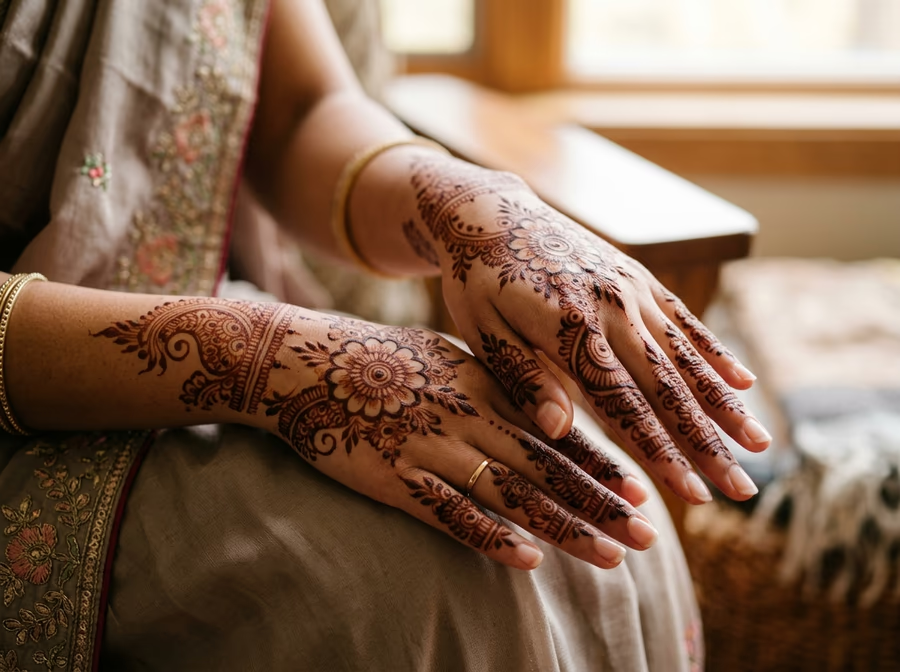
South Asian henna, including Pakistani and Indian styles, is known for its fine detail and fuller coverage. These designs often fill the palms, fingers and wrists with small flowers, fine lines, dots and paisleys, creating a rich, lace-like effect. They are a wonderful choice if you love traditional mehndi and want a design that feels elaborate and special.
Pakistani designs often feature detailed floral work, intricate finger patterns and decorative bands at the wrist, while Indian designs are known for their fine, dense detailing and traditional motifs. Both styles take more time to apply, so it helps to start early and choose a comfortable place to sit while the henna dries. For more detail on this style, read our Pakistani Mehndi Designs Guide.
Simple Eid Henna for Beginners
You do not need a complex design to enjoy Eid henna. Simple patterns can look fresh, neat and elegant, and they are much easier to apply at home. A small flower on the back of the hand, a dotted vine, or a simple mandala on the palm are all good starting points.
Minimalist designs have become popular for Eid too, especially for people who prefer a lighter look or are applying henna for the first time. A single line of small flowers, a crescent with stars, or a few dots and petals on the fingers can be enough. Our guide to Minimalist Mehndi: Small Henna Designs for Everyday Wear has ideas that also work well for a simple Eid look, and our Simple Mehndi Designs for Beginners guide is a good place to start if you are new to henna.
- Start small: choose one motif and repeat it, rather than filling the whole hand.
- Use dots and lines: dots, small petals and straight lines are easy to draw and look neat.
- Practice first: try the design on paper, then on the back of your hand.
- Keep it balanced: a design on both hands does not need to be identical to look good.
How to Choose an Eid Henna Design
The best Eid design is one that suits your outfit, your time and how much coverage you like. A detailed design pairs well with a traditional outfit and a formal gathering, while a lighter, open design suits a relaxed family day at home. Think about whether you will be cooking, greeting guests or helping with preparations, and choose a design that will dry comfortably.
It also helps to look at the shape of your hands and the length of your fingers. Long floral trails suit longer fingers, while a central mandala suits a smaller palm. If you wear bangles or a watch, leave a little space at the wrist so the design is not hidden. Most of all, choose a pattern you enjoy looking at — you will be wearing it through the celebrations.
When to Apply Henna for Eid
Timing matters, because henna colour develops over time. Many people apply henna the night before Eid, so the stain can develop overnight and look its richest on Eid morning. Leaving the henna paste on for several hours, then scraping it off gently, is a common approach.
If you are applying henna for children, or for several family members, start even earlier in the day so no one is rushed. Keep the hands warm and dry while the paste is on, and avoid washing the design with water straight after removing the paste. For more on looking after a fresh design, see our guide to Mehndi Aftercare Secrets: How to Get the Darkest Henna Stain.
Henna Aftercare for Eid
Good aftercare helps your Eid henna look its best for the celebrations. Once the paste is dry, try not to smudge it, and avoid water on the design for as long as you can after removing the paste. Natural oils are often applied to the stain in many households, and keeping the hands warm can help the colour develop.
Plan your day around the henna if you can. Apply it before cooking or cleaning, and wear loose sleeves so the design is not rubbed. With a little care, a well-applied Eid design can stay visible through the Eid days and beyond, as a reminder of the celebration.
Frequently Asked Questions
When should I apply henna for Eid?
Many people apply henna the night before Eid, so the colour has time to develop overnight and looks its best on Eid morning. If you are applying henna for several people, start earlier in the day so no one is rushed.
What is the best henna design for Eid?
There is no single best design. Bold Arabic-style flowers suit people who want a striking look, detailed South Asian patterns suit a traditional celebration, and simple or minimalist designs are a good choice for beginners or a relaxed Eid at home.
Is Eid henna suitable for beginners?
Yes. Simple Eid designs, such as a small flower, a dotted vine or a mandala on the palm, are easy to try at home. Start with one motif, practice on paper first, and keep the design small until you feel confident.
Can I apply henna on my feet for Eid?
Yes, henna on the feet is common for Eid. A mandala on the top of the foot, with vines or flowers toward the toes, is a popular choice. Choose a design that is comfortable to sit with while it dries.
Final Thoughts
Eid henna is about more than a pattern — it is part of getting ready, spending time together and marking a special day. Whether you choose a bold Arabic-inspired design, a detailed South Asian pattern or something small and simple, the best design is one you enjoy wearing. Start early, take your time, and enjoy the celebration.
Explore More Mehndi Designs
Mehndi Design Henna Editorial Team
Henna Art & Cultural SpecialistsOur dedicated team of professional henna artists, cultural researchers, and beauty enthusiasts curate comprehensive guides, traditional patterns, and modern mehndi trends from around the world.
Browse Related Mehndi Designs
Read Next
25 Asian Henna Designs: Beautiful Ideas for Weddings, Festivals & Celebrations
Explore 25 beautiful Asian henna designs inspired by South Asian, Middle Eastern and modern styles. Find elegant ideas for weddings, festivals and special occasions.
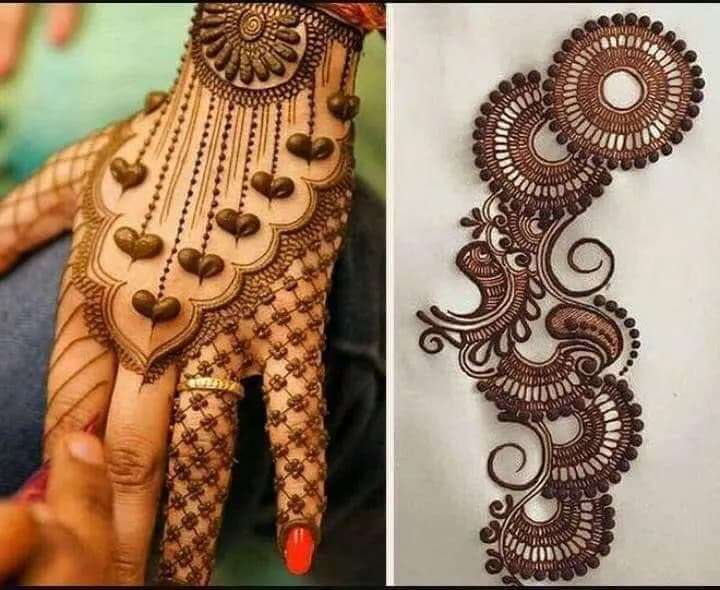
Festival Mehndi: Beautiful Henna Designs for Eid, Diwali and Cultural Celebrations
An in-depth, comprehensive look at Festival Mehndi: Beautiful Henna Designs for Eid, Diwali and Cultural Celebrations. Discover the history, techniques, and modern trends shaping this beautiful art form.
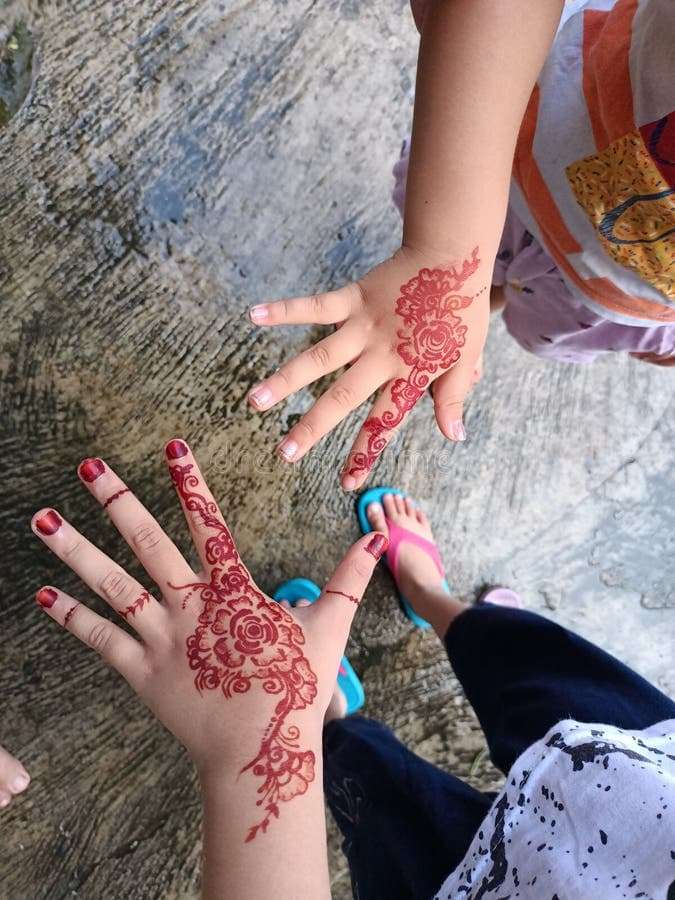
Pakistani Mehndi Designs: Traditional Styles, Modern Ideas & Complete Guide
Explore Pakistani mehndi designs from traditional bridal patterns to simple Eid and modern styles. Learn how to choose the right Pakistani mehndi design.